Gerald W. Schlabach
Biography
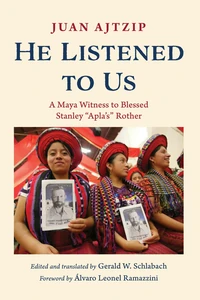
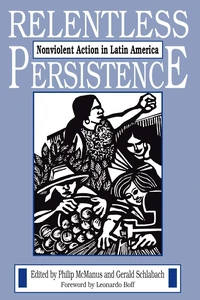
Gerald W. Schlabach is professor emeritus of theology at the University of St. Thomas in Minnesota, USA. Schlabach edited Relentless Persistence (2004) and translated He Listened to Us (2025).
Bios generated by automated processes. · Report a problem
History & Biography
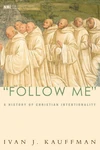
“Kauffman offers us a first installment on the kind of scholarship becoming possible thanks to the stereoscopic perspective of those who are learning to live on both sides of a great river that has long divided Christianity. . . . Unexpected though the news may be, it is the very burden of Kauffman's book to show us why we should not have been surprised, and would not be surprised, if we read the history of Christianity looking for its broadest unifying patterns rather than for the basis of our separate identities. . . . He has done a service to historian, ecumenist, and renewal-minded Christian alike by looking for the forest not just the trees, surveying the lay of the land, and marking the river that gives it life.”
Theology
“Any number of lawyer jokes suggest that lawyers need ethics or, indeed, the fear of God. David W. Opderbeck demonstrates, however, that Christian ethicists could use a lawyer too—not to litigate or defend them but to sharpen their own concepts and guide their work. In Law and Theology, Opderbeck brings his training in both fields together in a book that manages to be both broad and detailed yet always readable and perspicacious. By placing his treatment of natural law, positive law, and their distinction in the context of the biblical narrative and Christian intellectual tradition, Opderbeck provides fresh insight into perennial questions such as the relationship of church and state or the complications of Christian vocation in the world, while also addressing hot-button contemporary issues frankly and discerningly. His book promises to help many a reader hold out for sanity amid the rhetorical ravages of our theological polarization and culture wars.”
Christian Living
“Some of the essays here are in their own right gems of theological argumentation, biblical exposition, and ethical reflection on the gospel of peace. What will bring me back to this book most often, however, is the way that Belousek models and invites us to pay prayerful attention to so many kinds of encounters we might otherwise miss along the disciple's journey--with the homeless and troubled, with the events of our times, with tragedies and joys, with the soil of farmland and the stone of sculpture, and above all with the Christ who speaks through them all, along the way.”
NOTE: Only includes books currently in our catalog; not necessarily a complete list.
See something wrong on this page? Report a problem