Graham Ward
Biography
Graham Ward wrote The Politics of Discipleship and the foreword to Kenosis and Priesthood.
Bios generated by automated processes. · Report a problem
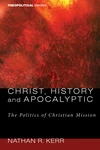
Christ, History and Apocalyptic
Theology
“This is a timely book that traverses twentieth century theology to develop a distinctive understanding of church engagement with the world. Finely executed and acutely discerning, it opens up an ecclesiology that is neither culturally accommodating nor counter-cultural. Conceiving the church as fundamentally dispossessive and missionary, Kerr announces a genuinely apocalyptic Christian politics. This is excellent theology for the up and coming generation.”
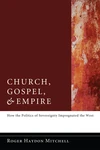
Theology
“Ambitious, confident in controlling the argument and the evidence, Mitchell's genealogy of church and empire, sovereignty and transcendence, is as important as it is controversial. A radical Christianity announces itself as a subaltern project of resistance and hope. The book lays down a challenge of enormous audacity to previous accounts of secularism as the product of modernity, offering a new political conception of the genesis of modernity. It is a major contribution to contemporary Christian political theology, in fact to Christian dogmatics that takes the incarnation of a loving God seriously. Read it, and you'll see why.”
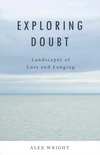
Christian Living
“Three braids of enquiry are woven together in this book: an evocative depiction of the north Norfolk landscape; a lingering reflection on the breakup of a marriage; and a theological enquiry into the importance of not being certain. What emerges is a profound study of the deep relations that bind place, people and Christian believing. It is as much a composition – the writing poetic, sinuous and subtle – as a study of the fragility, evanescence and spirituality of human belonging. The book is a wonderful and imaginative piece of work that lingers long after it has been put aside and resonates with the authenticity of a true writer’s voice.”
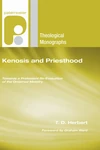
Church Leadership & Ministry
Foreword
“This book is a theological landmark in British Protestant theology. It is erudite, well-argued and, most of all, imaginative. What Herbert proposes is nothing short of a radical revising of notions of priesthood for Protestantism.”
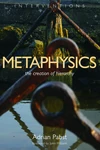
Philosophy
“I have waited for Adrian Pabst's Metaphysics for a long time, and, my goodness, it does not disappoint. The range of its material and the breadth of its historical scope are breathtaking, and Pabst's analysis is as sharp as frost and just as penetrating. At the moment political theology is fashionable, but this book does not just examine something fashionable; I predict it will become a classic and lead the current trend in a new direction. It needs to be read by theologians, but I want it to be read also by political scientists because for many of them the necessary metaphysical foundations of the political will be profoundly unsettling; so too will its theological gravitas. At the book's theological core is a vision of relationality that is -- and can only be -- a vision of God. If we need anything today that can transform our political landscapes, it is that vision.”
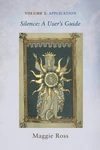
Silence: A User’s Guide, Volume Two
Prayer & Spiritual Formation
“This is a book written out of wisdom, love, and experience. It is to be read slowly, deeply, and contemplatively. While highly informed, the scholarship folds into and out of an embodied, mindful practice. Reading demands that same practice. I know, for myself, this is a book I will return to again and again. Only Maggie Ross could have written it - as a genuine theological gift to us all.”
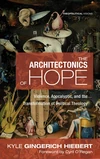
Theology
“Theologians must be political because they are embroiled in politics; and they are embroiled in politics because politics is saturated with religious resonances. So here is a new and courageous voice in political theology, taking on the giants—Schmitt, Metz, Radical Orthodoxy, and Yoder—and presenting them with a passionately argued freshness. The book courts controversy, and its dramatic genealogical unfolding of the apocalyptic and violent within political theology intensifies that controversy. But we need younger, confident, theologically astute thinkers to generate the right kind of contestation, and Gingerich Hiebert does that with well-crafted elegance and integrity. His vision of a new and hope-filled way of seeing opens a new chapter in political theology and isn’t fearful of exposing the deficiencies of older accounts. The book deserves to be read widely, reviewed widely, and debated widely, because only that way might we move forward in a world steeped in violence with faith, hope, and what he calls ‘charitable theological argument.’”
Ethics, Culture & Social Issues
“In a style urgent and dramatic, John W. de Gruchy reminds us where we are today with prophetic theological insight. ‘Crisis’ may label the signs of the times, but his study is neither millennial nor apocalyptic. Hope resonates throughout, a hope needed to strengthen our faithfulness and perseverance.”
NOTE: Only includes books currently in our catalog; not necessarily a complete list.
Theology
See something wrong on this page? Report a problem