Jame Schaefer
Biography
Jame Schaefer has served as professor of systematic theology and ethics at Marquette University.
Bios generated by automated processes. · Report a problem
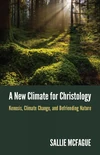
Theology
“Sallie McFague’s last gift to theological discourse should spur Christians to think realistically about our relatedness to other species and systems of Earth and to act responsibly to mitigate the climate crisis. Culminating her impressive metaphorical efforts to replace the individualistic, anthropocentric, and power-controlling view of our species that has dominated some Protestant theologies, she proffers a poignant alternative— kenotic self-sacrifice. When sacrificing our desires so other people and species can secure their needs for survival, we become ‘truly adults’ who seriously consider the imperiled condition of Earth, love other creatures as friends, and participate in the life of God who is the ultimate loving friend of all. “Not to be missed in A New Climate for Christology are McFague’s poignant interpretation of the doctrine of the Incarnation to include the entirety of creation and her turn from the Cartesian ‘I think; therefore, I am’ to ‘I relate; therefore, I am.’ Her message resonates with Pope Francis, who has been underscoring the interconnection of all creatures, the need for conversion from self-centered attitudes to acceptance of ecological responsibility, and the imperative to act locally to facilitate the flourishing of our common home.”
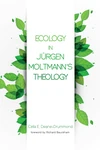
Ecology in Jurgen Moltmann’s Theology
Theology
“In another impressive contribution to the developing genre of ecotheology, Celia Deane-Drummond insightfully probes German theologian Jurgen Moltmann's extensive body of works for ecological motifs that have emerged, skillfully provides a systematic treatment of these motifs informed by broad biological findings, and finds highly promising his thinking about the interconnection of God, humans, and the world that can be helpful toward functioning in our common home--Earth.”
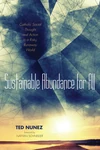
Ethics, Culture & Social Issues
“Keenly aware of past influences that prompted technological development, the present fast-paced growth of technologies that have put the Earth community at risk, and projected large-scale catastrophes in the future, Nunez superbly analyzes Catholic social teaching from 1891 onward for its adequacy in addressing technological development and insightfully crafts an innovative faith-based approach for assessing technological risks, embracing technologies that are socially, ecologically, and economically compatible, and launching the quest for sustaining an abundantly gifted but imperiled planetary home. His ethics of responsible care, case studies of current problems, and a cleverly articulated analogy of taking the lead in dancing the tango further enhance this splendid contribution to the scholarly literature.”
No books by this person in our catalog yet.
See something wrong on this page? Report a problem