John Anthony Dunne
Biography
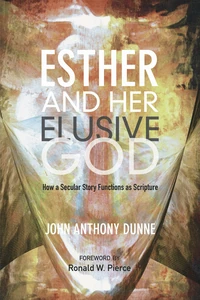
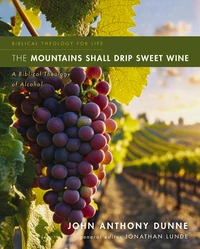
John Anthony Dunne wrote Esther and Her Elusive God, and co-wrote The Mountains Shall Drip Sweet Wine with Jonathan Lunde.
Bios generated by automated processes. · Report a problem
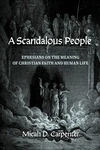
Biblical Studies & Commentaries
“A Scandalous People does not fit neatly within standard genres of theological books, such as biblical commentary, dogmatic treatise, or devotional. Taking its cues from Barth’s Römerbrief and Augustine’s Confessions, Micah Carpenter’s engaging reflections on Ephesians sit at the nexus of where these more traditional genres meet. Given the genre-bending nature of the Letter to the Ephesians itself, with its theological and sermonic style, such an approach is not only fitting, but also richly rewarding.”
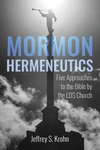
World Religions
“Despite the self-presentation of the Church of Jesus Christ of Latter-day Saints (LDS) since its inception as a fairly monolithic institution, there is a genuine diversity of beliefs (as with any religious tradition). In Mormon Hermeneutics, Jeffrey Krohn highlights one particular area of LDS diversity, namely the variety of approaches to reading and interpreting the Bible, and he offers readers a helpful organization and analysis of what individual LDSs do with one of their scriptures.”
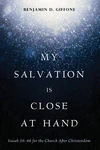
Biblical Studies & Commentaries
“In My Salvation Is Close at Hand, Benjamin Giffone offers an accessible yet rich look at Trito-Isaiah (Isa 56–66), highlighting how its original message to a post-exilic community living in the unique political tensions of the Persian Period offers an analogy for thinking through our Christian message and witness within in the post-Christian West.”
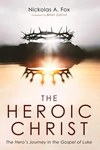
Biblical Studies & Commentaries
“Some of the key elements comprising Joseph Campbell’s articulation of the hero’s journey are exemplified in the story of Jesus, such as his sacrificial death and new life, and yet surprisingly there’s a lack of analysis of the Gospels in the light of Campbell’s framework. Nick Fox’s The Heroic Christ begins to fill that gap in this study on Luke’s Gospel, highlighting that such an analysis helps us understand the story Luke is telling.”
NOTE: Only includes books currently in our catalog; not necessarily a complete list.
Biblical Studies & Commentaries
See something wrong on this page? Report a problem