Joshua Hren
Biography
Joshua Hren wrote Middle-earth and the Return of the Common Good.
Bios generated by automated processes. · Report a problem
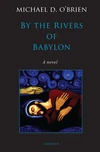
Fiction
“By the Rivers of Babylon sifts the false prophet's saccharine ‘Peace!’ from the true honeyed scroll that is hard to stomach. Michael O'Brien's fictional exegesis of the book of Ezekiel does the leg work of contemplation for us, enfleshing the historical and entering the mystical, mingling psychological perspicacity with the Most High's unspeakable mysteries.”
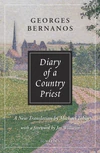
Fiction
“’Do you not know that all of us who have been baptized into Christ Jesus have been baptized into His death?’ (Romans 6:3). Set in the long shadow of the Cross, this novel which concludes with humiliating death contains a happier ending than any novelist could conjure.”
History & Biography
“With sympathetic and smart satire that is reminiscent of Flannery O'Connor, Favale finds both sincerity and shallowness in the waves of ideological affiliations that tided her youth. Favale, the unlikely convert, persuades us that by sacramental grace and the communion of saints, the Church can see the meanest sinner hold her breath long enough to work out Her shared salvation in fear and trembling.”
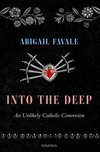
History & Biography
“With sympathetic and smart satire that is reminiscent of Flannery O'Connor, Favale finds both sincerity and shallowness in the waves of ideological affiliations that tided her youth. Favale, the unlikely convert, persuades us that by sacramental grace and the communion of saints, the Church can see the meanest sinner hold her breath long enough to work out Her shared salvation in fear and trembling.”
Fiction
“Nostos. Homecoming—one of the very oldest and greatest themes of literature. Fittingly, for our fragmented age, Simone is struck by a whimsical nostos, returning at random to the Idaho of her childhood without really knowing why. Nostos gives way to nostalgia (-algos = pain), a sorrowful sense that life could have been otherwise... Favale invites us into these allurements, stirs up dizzying desires and stupid decisions until we’re ready to ‘choose what we’ve chosen.’”

Fiction
“Gregory Thackery is a would-be reporter drowning in political intrigue, career stagnation, marital problems, and a deadbeat brother naked on his couch. Throw in one dead body and you have all the fixings for a fun ride through the ugly underbelly of small-time newspapers and back-stabbing community boards. Geoffrey Walters has a gift for imbuing his characters with the baffling, maddening, and ultimately endearing quirks that we see in real people every day. The dialogue has a fast-paced, off-kilter hilarity rivaling that of Elmore Leonard. You almost don't care who-dunnit, it's so much fun watching our hero flail his way to the answer...and the big scoop."—Lisa Reardon, acclaimed author of Billy Dead "Really REALLY enjoyed reading Reportedly Murdered. Lots of tension, fun characters, and humor. I see it being an independent film, too." —Julie McKee, author of The Adventures of Amy Bock “Geoffrey Walters brings deadpan wit and well-wrought prose to bear on a genre that too easily devolves into formulaic and unfunny noir, knowing all the while that—as Flannery O’Connor put it—‘evil is not a problem to be solved but a mystery to be endured.’”
Suicide in Modern Catholic Literature
Arts & Literature
“Suicide is too serious to be left to the psychologists. ‘Chemical imbalance’ cannot do justice to the deeper meanings of melancholy. Steeped in philosophical foundations and theological revelations that stave off sentimental, presumptive mercies, Martin Lockerd looks to literature lit with a Catholic vision to interrogate, with sustained sympathy, what attracts us to the abyss of self-immolation. Considering a richly eccentric range of authors—from Tolkien to Houellebecq—he weighs what is found wanting in modernity to diagnose a range of causes that tempt too many to jump to their deaths. Even as he grants the gains of good psychology, Lockerd avoids reducing literature to another therapeutic tool. Rather, drawing from literature’s capacity to form our feelings and grant them catharsis, he manifests the distinctive potencies of great and good books to help heal the sickness unto death.”
NOTE: Only includes books currently in our catalog; not necessarily a complete list.
See something wrong on this page? Report a problem