Kevin Timpe
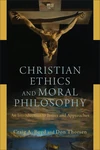
Christian Ethics and Moral Philosophy
Theology
“An excellent treatment of moral philosophy and moral theology from an explicitly Christian perspective. While rigorous, the text is approachable and applicable and illuminates many of the ethical issues that we face today. An excellent resource for students as well as for all interested clergy and laity in the church.”
Apologetics
“A classic work in the philosophy of religion, Plantinga's God, Freedom, and Evil is the single most influential text on the problem of evil in the past fifty years.”
Introducing Logic and Critical Thinking
Theology
“A clear and approachable introduction to formal and informal logic. What differentiates it from other logic textbooks is its focus in part 2 on the virtues of inquiry, where Byerly makes a strong case that good reasoning involves fostering various excellences of thought--both individually and communally. This unique approach will help students to see the practical importance of logic for their own flourishing. I highly recommend this book.”
Philosophical Theology and the Knowledge of Persons
Philosophy
“Eleonore Stump’s work in philosophical and analytic theology is among the most influential, and for good reason. This excellent collection not only discusses the methodology of philosophical theology, but also illustrates the methodological richness that comes from careful engagement with biblical texts, historical theology, and direct knowledge of other people. Stump’s insight, engagement with Christian tradition, and breadth of scholarly mastery are on full display.”
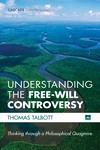
Understanding the Free-Will Controversy
Philosophy
“In this short but rich book, Thomas Talbott brings considerable insight to bear on a perennial set of issues in philosophy. It is a book with many virtues. Talbot deftly summarizes a large swath of recent work on the metaphysics of free will and philosophy of religion. But he also develops an original model for the essence of moral freedom and a compelling defense of the compatibility of God’s foreknowledge with human freedom. Highly recommended.”
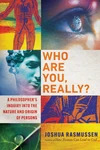
Philosophy
“The question, What does it take to be conscious? has two senses. What does consciousness involve? Where does consciousness come from? In this stimulating book, Joshua Rasmussen addresses both. As with How Reason Can Lead to God, he again shows his considerable skill in delving deep into philosophy in an inviting and engaging manner. Rasmussen takes the reader on a journey into some of the central topics in philosophy to help us understand something of great importance: ourselves.”
No books by this person in our catalog yet.
See something wrong on this page? Report a problem