Mark Ward
Biography
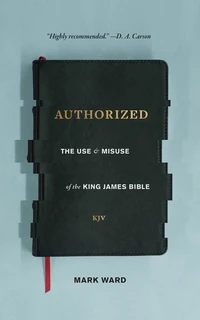
Mark Ward wrote Authorized.
Bios generated by automated processes. · Report a problem
Biblical Studies & Commentaries
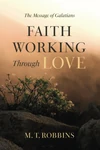
“It’s not often that a pastor is able to combine careful awareness of important academic discussions with a popular style. Tyler Robbins is a diligent reader and attentive expositor who has done this very thing. The chapters in this short book read like sermons but still provide, often through footnotes, real substance to students of Paul’s important letter to the Galatians. Robbins makes insightful contemporary application, too. Much appreciated.”
Biblical Studies & Commentaries
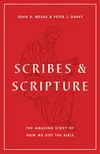
“The history of the Bible is complex: it involves multiple languages (ancient and modern), and it divides into two very much distinct (but also overlapping) branches we call the Old and New Testaments. Christians need trusted guides to lead us through that history. This is why I am so grateful for the work of Old Testament specialist John Meade, New Testament specialist Peter Gurry, and their Text & Canon Institute. They represent the newest generation of evangelical historians of the Bible, and they are both able and eager to keep a foot in the academy and a foot in the church. There are many threats to the orthodox viewpoint on text, canon, and translation. Scribes and Scripture is their attempt to serve the church by guiding Christians toward an accurate and faith-filled grasp of the Bible’s history.”
Preaching & Worship
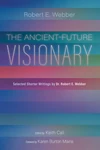
“I’m not where Webber was on the spectrum of Christian theology as he was writing these energetic essays and articles. He was more ecumenical and, I have to say, more cynical—more open to non-Protestant traditions and less happy about American evangelicalism than I am. But the love for the church that suffuses these essays is stimulating, a real model. And I did agree with Webber over a great deal in this book. Webber called for Christians to see that the doctrine of the Trinity arose from the instinctive worship of early Christians who knew that a created being could not save all creation. He called for fully triune worship in which the Father is praised, the Son is proclaimed, and the Spirit gives rise to symbol. He called for church architecture to take theological shape. He called for evangelicalism to stop preaching a half gospel, which is not a gospel, of grace without judgment. I find it interesting that some of the ideas that felt radical to Webber are now not so radical at all among thoughtful evangelicals.”
NOTE: Only includes books currently in our catalog; not necessarily a complete list.
Biblical Studies & Commentaries
Biblical Studies & Commentaries
See something wrong on this page? Report a problem