Monica A. Coleman
Biography
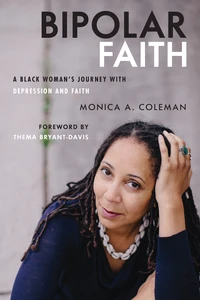
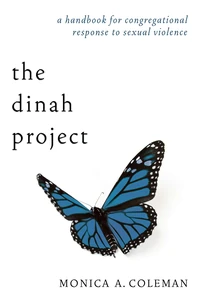
Monica A. Coleman wrote Making a Way Out of No Way, Bipolar Faith, and The Dinah Project: A Handbook for Congregational Response to Sexual Violence.
Bios generated by automated processes. · Report a problem
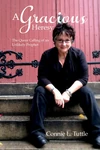
History & Biography
“In A Gracious Heresy, Connie Tuttle invites readers into her story of call. More than a memoir of church and justice, A Gracious Heresy is a spiritual odyssey taking the reader on a journey past historical events, across international geographies, from girlhood escapades to adult decisions. . . . Everyone called to a life before God should read this book. A Gracious Heresy stands as the most authentic rendering of the spiritual wrestling that queer ministers experience.”
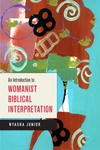
An Introduction to Womanist Biblical Interpretation
Biblical Studies & Commentaries
“Nyasha Junior’s An Introduction to Womanist Biblical Interpretation is brilliant in its simplicity. Junior has written a teachable text in clear and compelling language. More than that, Junior dispels common misconceptions and offers a cultural and intellectual history of African American women’s engagement with biblical texts. Junior depicts intellectual controversies with equanimity and breadth while highlighting the strengths of those who work in such a marginalized field. Realistic and hopeful, Junior’s assessment is relevant for students and scholars in theology, biblical scholarship, Christian ethics, and black religious scholarship. This is the book we all wish we had earlier in our studies.”
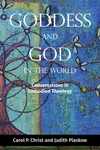
Theology
“Goddess and God in the World offers readers the chance to sit in a cozy room with two of the greats of feminist theology. In this work, Carol P. Christ and Judith Plaskow answer all the questions you would pose if you had an audience with them. You overhear them laugh, reminisce, pontificate, argue and laugh again. They share their theological journeys with academia, philosophy, theological traditions and Scripture. Beautifully weaving together their personal paths with the histories of Judaism, Christianity, Western philosophy and Goddess traditions, Plaskow and Christ offer distinct theologies that wrestle with the depth and breadth of patriarchy. They emerge different than how they entered, and yet maintaining deep and meaningful faiths. Most importantly, they engage each other in a way that is quickly disappearing from the academy: they note their differences, critique one another other, revel in their similarities, and debate without needing to convert. May this work be a model for all dialogical theology!”
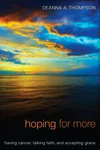
Counseling, Grief & Mental Health
“In Hoping for More, Deanna Thompson presents her extraordinary journey of diagnosis and treatment of stage IV breast cancer. Thanks to her strong personal voice, reading this book is like listening to a friend tell you about part of her life over a cup of tea. Of the many miracles in this book is Deanna's ability to reflect on her faith, illness, and loved ones at the same time. She quietly offers a systematic theology enriched by living with cancer--making this book a valuable resource for those interested in the intersection of medicine and faith.”
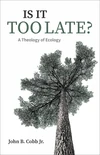
Theology
“Cobb is one of the few theologians who can release a book 50 years later with both timeless philosophical truths and contemporary relevance. With both repentance and hope, Cobb shows how a commitment to deep relationality propels Christians to care for the natural world.”
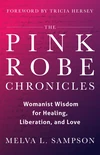
Women
“When Melva Sampson showed up online in her pink robe, you got her--unfiltered, unbossed, defiant, vulnerable, righteously angry, and healing--in real time. These live digital reflections formed a community because in speaking for herself, she voiced what so many others felt. Reading The Pink Robe Chronicles immerses you in the middle of Melva Sampson's stories without feeling like you missed anything. You'll read it in one sitting because you'll need the next insight now, but you'll keep pulling the book off your shelf for the poems, meditations, and reflections. Full of honesty and heart, The Pink Robe Chronicles is poised to be a new womanist classic.”
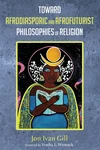
Toward Afrodiasporic and Afrofuturist Philosophies of Religion
Philosophy
“This book is a remarkable model for interrogating Eurocentric theories with expansive understandings of religion and a deep grounding in aesthetics, experience, and Africana philosophies. Each essay breaks open and constructs new ways of understanding both Africana culture, its own self-understanding, and the unique way art harnesses hope. This book includes crucial ideas for anyone interested in philosophy of religion, aesthetics, or Afrofuturism.”
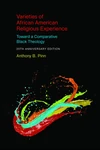
Varieties of African American Religious Experience
Theology
“From its first publication, Varieties was an ideal course textbook. It gives descriptive and analytical views of several African American religious practices. In the twentieth anniversary edition, Pinn highlights the groundbreaking nature of his comparative theological undertaking. Written before its time, Varieties still calls scholars of black religions towards greater comparative theological work – unchaining theology from its Christian trappings and reminding us of the deep sense of belief and meaning amidst various traditions of meaning-making among African Americans. The twentieth edition offers the special treat of situating the theological investigations of Varieties within Pinn’s larger humanist project. With succinct conviction, Pinn traces the development of one of the most radical and passionate movements in black theology – disrupting a divine transcendence and hope for liberation while embracing embodiment and struggle with a gritty pulse for justice for African Americans and all humanity. More than an introduction to African American religions, Varieties offers a portal to both the history and the future of African American religious thought.”
Theology
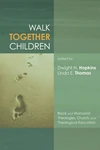
“This volume flips the script in all the right ways. Hopkins and Thomas collect essays that collectively invert the ways that black and womanist theologies are usually constructed. Men speak to issues that womanists first articulated. Women write about the future of black men. Professors, clergy, and lay people engage academic theology together, and the conversations are cross-generational . . . [T]his volume strongly refutes any accusations that black theology is merely academic.”
NOTE: Only includes books currently in our catalog; not necessarily a complete list.
Counseling, Grief & Mental Health
Counseling, Grief & Mental Health
See something wrong on this page? Report a problem