Nigel Biggar
Biography
Nigel Biggar wrote Behaving in Public.
Bios generated by automated processes. · Report a problem
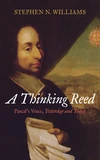
Apologetics
“Pascal stands among the greatest Christian thinkers and advocates of all time. In this book, Stephen Williams offers a sensitive, discerning, and eloquent account of his thought. Listen to him.”
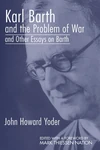
Karl Barth and the Problem of War, and Other Essays on Barth
Theology
“In these pages one of the 20th century's most important figures in Christian social ethics engages with another over a period of thirty years, with the result that light shines on both. John Howard Yoder's 1970 study of Karl Barth on the problem of war is a classic piece of critical interpretation of Barth's ethical thought, and it remains one of the most searching English-language analyses of his treatment of a particular moral issue and of his 'casuistical' method. It has been long out of print and, like most of the other essays helpfully gathered together in this book, difficult to obtain. Anyone who cares about method in theological ethics, the theological integrity of Christian social ethics, the political witness of the Church, and Christian views of peace and war now owes Mark Thiessen Nation a debt of thanks for bringing this material (back) within reach.”
Philosophy
“In this book Jean Porter uses the formidable fruits of her decades-long study of natural law to construct a thorough, theological account of a vital, though much disparaged, element of human flourishing: authority — natural, political, and legal. Conversing with contemporary legal philosophy and political theology, Porter argues boldly that positive law, national and international, possesses an authority that may trump anti-terrorist expedients and even general humanitarian considerations. Fluently written, methodically clear, and analytically satisfying, Ministers of the Law deploys a Christian ethic of unusual philosophical sophistication to enlighten issues of great public importance.”
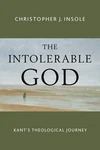
Philosophy
“A rare, fresh, and masterful account of Kant’s theological development that engages the imagination and achieves lucidity without trampling over nuance. Christopher Insole has no interest in dominating his reader, writes with unpretentious grace, and never fails in charity. A model of Christian scholarship, this is a very fine book indeed.”
NOTE: Only includes books currently in our catalog; not necessarily a complete list.
Ethics, Culture & Social Issues
Ethics, Culture & Social Issues
See something wrong on this page? Report a problem