Norman Shepherd
Apologetics
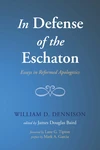
“Do not be misled by the word "eschaton" in the tile of this collection of the shorter writings of William Dennison. His book has nothing to do with differences between premillennialists and postmillennialists or related issues, but has everything to do with how we go about presenting our Christian faith in a world that is bitterly opposed to this faith. No one has spoken more pointedly to this question in recent times than Cornelius Van Til of Westminster Theological Seminary in Philadelphia, PA. Dennison undertakes to unfold, explain, and illustrate Van Til's apologetic method in a compelling way. Van Til's strength as an apologist lay in consistently maintaining his starting point and method in the redemptive history of the Bible culminating in the final victory of the triune God over all that opposes him (the eschaton). As we press the claims of Christ we must in no way compromise 'the self-attesting Christ of Scripture as mapped out in biblical revelation and summarized in the ecumenical creeds of the early church and the Reformed confessions.' His method represented a radical departure from the evidentialist apologetic method he was taught at Princeton Seminary. Dennison very helpfully takes us through the criticisms Van Til encountered in his own Reformed camp, both from those who opposed his method and from those who sympathetically aligned themselves with his initiative. Van Til would say to his students that if we stand on the shoulders of our fathers in the faith we ought to be able to see a little further. Van Til's own work illustrates that point, and so also does Dennison's. 'Taking Van Til's own acknowledgement that [Geerhardus] Vos was his most influential teacher [at Princeton], I have attempted to push Van Til's biblical apologetic deeper into the fabric of God's revelation.' Tying Van Til's apologetic method into a biblical philosophy of history is the most valuable contribution of this book. Dennison helps us by strengthening the apologetic backbone of believers as we face up to new challenges posed by rapid changes in the intellectual and cultural landscape where we are called to serve today.”
No books by this person in our catalog yet.
See something wrong on this page? Report a problem