W. W. Meissner
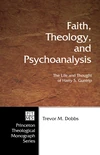
Faith, Theology, and Psychoanalysis
Theology
“"In the century-long dialogue between psychoanalysis and religion, analysts have been accustomed to reflecting on the role of psychoanalytic elements in religious thinking and practice. The opposite consideration--the degree to which religious orientations and concepts might have played a role in the development of psychoanalytic thinking and theorizing--has been largely ignored. Dobbs' careful study brings this latter perspective into dramatic focus. The pivotal figure is Harry Guntrip--himself a complex figure who was both Congregational minister and psychoanalyst. Guntrip himself was profoundly influenced by his religious upbringing and beliefs. Dobbs shows how these influences found their way into his psychoanalytic theorizing. But more interesting and perhaps more important was his involvement with two of the giants of psychoanalysis--Ronald Fairbairn and Donald Winnicott. Dobbs' detailed analysis reveals how the interactions among the members of this psychoanalytic troika were powerfully shaped and guided by their respective religious backgrounds and religious commitments. We learn about Guntrip's Wesleyan Congregationalism, Fairbairn's Calvinistic Presbyterianism, and Winnicott's revivalist Methodism, and their reverberations in their respective approaches to psychoanalysis as well as their impact on Guntrip himself who was analyzed by both men. The implications of these findings reach well beyond their immediate contexts and speak to the broader issues of how religion and religious persuasions can come to play a role in how we as analysts think about analysis. This realization opens a broad new territory for meaningful exploration and analytic understanding for those interested in the dialogue between psychoanalysis and religion, a dialogue that really is, it turns out, a two-way conversation. Professor Dobbs' detailed reconstruction is an important and valuable contribution--one that enriches our understanding of psychoanalysis itself and that interested readers would be well-advised to ponder.”
No books by this person in our catalog yet.
See something wrong on this page? Report a problem