William G. Rusch
Biography
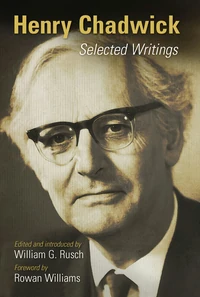
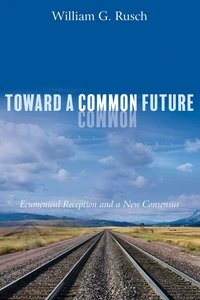
William G. Rusch has served as a member of the faculty of the Divinity School of Yale University and as a member of the Joint Vatican-World Council of Churches Working Group. Rusch wrote Toward a Common Future (2019) and Ecumenical Reception (2007), and edited Henry Chadwick (2017).
Bios generated by automated processes. · Report a problem
Communion of Churches and Petrine Ministry
Theology
“This work is an indispensable resource for anyone interested in overcoming the disunity of the churches. It demonstrates how high-quality scholarship can enlighten questions about the papacy that at first glance appear closed. Disclosing the potential for degrees of resolution to what were once regarded as intractable barriers to greater unity, this report cannot be recommended too highly.”
History & Biography
“The scholarship of the author and the skill of the translator make this study of Nathan Söderblom an essential resource in the English language for understanding the man and his times.”
Reformation Observances: 1517–2017
History & Biography
“Much attention is being given to 2017 as the 500th anniversary of the Reformation and especially to the present ecumenical setting. Yet 2017 can only be appreciated and understood by giving attention to how the Reformation has been observed in the past. How did the Lutheran, Anglican, Reformed, and Roman Catholic traditions in the course of 500 years note or not note the Reformation? The answer to this question can only enrich consideration of the Reformation in this century. This volume of collected essays seeks to supply an answer. Anyone interested in the significance of this anniversary of the Reformation will gain insights by means of this collection of reflections.”
Theology
“This is an extremely learned and important book by an author well grounded in the history of theology. As a non-Baptist, I can only surmise its value and impact within the Baptist community. I should think its potential for rethinking Baptist identity could be considerable. Speaking as an ecumenist, I would venture to opinion that Dr. Harmon's book could have a major role to play among all interested in the unity of the church. Its suggestion of a postmodern Baptist hermeneutic of tradition will interest many concerned about ecumenical advance.”
NOTE: Only includes books currently in our catalog; not necessarily a complete list.
Theology
Church Leadership & Ministry
See something wrong on this page? Report a problem