William Hasker
Biography
William Hasker wrote The Triumph of God over Evil and Metaphysics, and co-wrote The Openness of God with others.
Bios generated by automated processes. · Report a problem
Books Endorsed by William Hasker
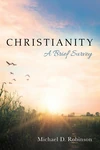
Theology
“Michael Robinson has produced a masterful overview of the Christian religion, including foundations, theology, ethics, worship, and certain other issues. Readers will learn not only of the major themes of the Christian faith, but of the manifold differences of interpretation of those themes in different Christian traditions. The volume can serve either as a textbook or as a reference work, and it is useful and accessible both to those with previous knowledge of Christianity and to those studying it for the first time.”
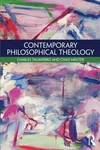
Contemporary Philosophical Theology
Philosophy
“Philosophical theology' is the label for a mode of philosophical engagement with religion that has become increasingly prevalent in practice, but has seldom been written about as a subject in itself. Taliaferro and Meister remedy this lack, explaining lucidly what philosophical theology is and the rationale for engaging in it, and offering comments on both good and bad examples. They address criticisms that argue against philosophical theology as a valuable and constructive discipline, and provide abundant evidence of its value in the insights it provides. The book is highly recommended as an introduction to this important form of philosophical inquiry.”
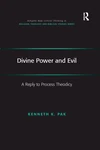
Philosophy
“Process theists invariably claim that their response to the problem of evil is far superior to that of traditional theism. In his careful examination of the influential writings of David Griffin, Kenneth K. Pak reveals a number of flaws in Griffin's arguments concerning evil. He also identifies resources for a response from traditional free will theism, some of them derived from Griffin's own work. Divine Power and Evil is an important contribution to the literature on this vital topic.”
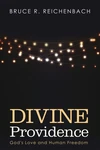
Theology
“Bruce Reichenbach is a philosopher who situates his reflections in the context of a thorough engagement with biblical teaching about God's action in the world. Recommended for those who wish to scrutinize the philosophical and theological assumptions that are foundational for a doctrine of providence.”
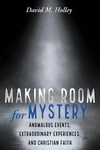
“Barring anti-vaxxers and conspiracy theorists, most of us believe in science most of the time. We may not think science has the explanation for absolutely everything, but we assume that the events of our lives take place only in ways consistent with the laws of science. However, there are many reports, some of them apparently credible, of happenings that seem to violate these limitations. David Holley urges persuasively that we ought not automatically disbelieve such reports, but rather ‘make room for mystery’ in the world and in our lives.”
Philosophical Approaches to the Devil
Philosophy
“Belief in the devil plays a significant role in the religious lives of many people, but this belief has been largely ignored in philosophy. The essays in this engaging collection begin to restore the balance by pursuing some of the philosophical challenges that emerge from the idea of an individual who is the embodiment of absolute evil.”
Philosophical Essays on Divine Causation
Philosophy
“Divine causation and divine agency are crucially important topics in theology and philosophy of religion, and Ganssle’s collection provides both excellent discussions of key historical views and some important proposals on contemporary controversies. Highly recommended for both philosophers of religion and theologians.”
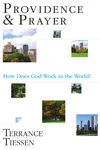
Theology
“Tiessen provides sympathetic and insightful accounts of the wide variety of theories of providence currently on offer. . . . Tiessen's own theory will appeal to Calvinists and will challenge others to rethink their own views.”
Suffering and the Search for Meaning
Theology
“Richard Rice brings together two things often separated: philosophical and theological explanations for suffering, and the practical struggle of persons trying to make sense of suffering in their own lives or the lives of others close to them. He surveys seven widely embraced approaches and concludes with a thoughtful chapter that provides guidance on developing one's personal response to suffering. An open theist himself, Rice is remarkably even-handed in describing how each of the approaches offers comfort as well as puzzles and unanswered questions. This book provides a rich resource both for those trying to understand their own suffering and for those who work with them and minister to them.”
Apologetics
“Sandra Menssen and Thomas Sullivan, both sometime agnostics, have constructed an apologetic with an eye to their former selves and to the many others who are in a similar situation. Their most important proposal is that an agnostic ought to consider the question Has a good God revealed anything to us? early in the process of inquiry, rather than waiting until the task of natural theology has been completed. This proposal is defended and its implications worked out with care and thoroughness. Recommended for philosophically minded agnostics and for nonagnostics who have occasion to reason with them.”
Philosophy
“Caroline Simon has given us a wonderful book. She anatomizes our various loves in a way that is challenging, richly insightful, and at times disturbing. The Disciplined Heart invites comparison with C. S. Lewis's The Four Loves, and in some ways surpasses it.”
Theology
“Richard Rice's book provides something lacking until now: a broad overview of the open theist movement that places it in its historical perspective. A partisan himself, Rice is consistently fair and accurate, both in setting out open theism and in discussing objections to the position and replies to them. His theological reflections provide one theologian's perspective on the broader implications of the position and constitute an invitation to others to develop their own open theist theologies beyond the rather narrow range of questions that have dominated most of the literature. This book is required reading for all who have been challenged by this dynamic theological movement.”
Theology
“In view of the universal agreement that love is a crucially important attribute of God, it is astonishing that we so often are content to operate with conceptions of love that are hastily adopted, often from popular culture, without thorough consideration. John Peckham seeks to remedy this state of affairs with a thorough biblical examination of the love of God, bringing the text into dialogue with the multitude of popular conceptions of love. Strongly recommended for all who seek to understand how it is that God loves them.”
Theology
“At present there is both need and opportunity for progress in understanding the doctrine of the Trinity, progress that could lead to a clearer, more insightful, and more practically relevant grasp of that doctrine. Such progress, however, depends on a cooperation between Christian theologians and philosophers that of late has been conspicuously lacking. Thomas McCall is a leader in what we must hope will be a new wave of theologians; he welcomes and interacts with the best insights of contemporary Christian philosophy and makes use of those insights as he interprets the rich heritage of Trinitarian theology. This outstanding book will repay close attention from all who are concerned about this fundamental Christian doctrine.”
Books Authored or Contributed to by William Hasker
NOTE: Only includes books currently in our catalog; not necessarily a complete list.
See something wrong on this page? Report a problem