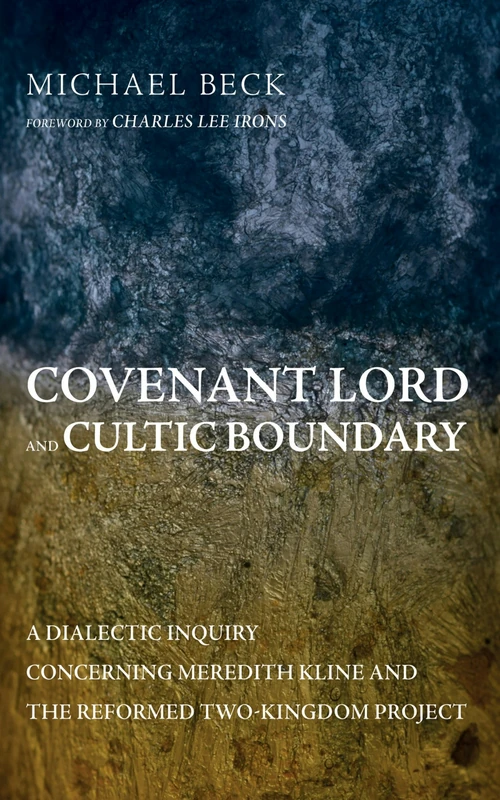
Covenant Lord and Cultic Boundary
A Dialectic Inquiry Concerning Meredith Kline and the Reformed Two-Kingdom Project
- Theology
- Publisher: Pickwick Publications (Wipf and Stock)
- Published: 2023
FritzSearch.com earns a commission on purchases made through Bookshop.org links.
Publisher's Description
The Reformed Two-Kingdom project has generated a great deal of literature. However, this literature is often characterized by inflamed rhetoric. Further, though it is standard fare to assume that Kline was the architect of the project, in reality, there has been very little scholarly examination of this point. In response, Kline's system is analyzed through the means of a dialectical discourse with three differing models within the Reformed tradition--the Theonomist, Perspectivalist, and Dooyeweerdian schools. Through this means, the study keeps away from surface-level polemics and instead directs readers to the critically important substructural level of current discussions. While clarifying some of the key differences between Kline and his interlocutors, often-overlooked points of nuance are also highlighted. These points are shown to be important in that they present the potential to lessen frustration and impasse in the ongoing dialogue.
Endorsements (3)
“Covenant Lord and Cultic Boundary establishes Michael Beck as a balanced and brilliant biblical theological and philosophical thinker. It is a remarkable achievement that I highly recommend for those who are yearning for a comprehensive and coherent biblical worldview. It will be of immense value for those readers actively participating in God’s work of evangelism in the global mission field.”
“The creative and confessional exegetical insights of Meredith G. Kline (1922–2007) have broad application for Reformed faith and life today. In this thought-provoking book, Michael Beck focuses on the formative influence of Kline’s covenant theology in the development of Reformed Two-Kingdom thought. Readers will especially appreciate Beck’s measured, balanced, and meticulously documented assessment of Kline’s engagement with the alternative Reformed approaches of theonomy, perspectivalism, and neo-Calvinism (all, in Kline’s judgment, forms of monocovenantalism).”
See something wrong on this page? Report a problem