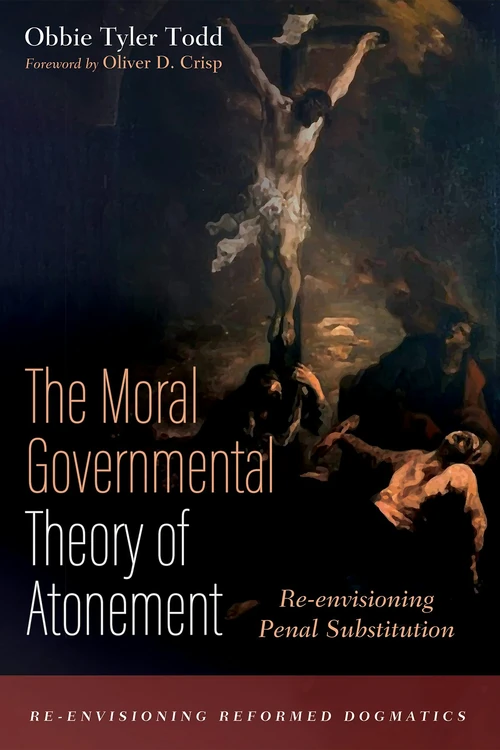
The Moral Governmental Theory of Atonement
Re-envisioning Penal Substitution
- Theology
- Publisher: Cascade Books (Wipf and Stock)
- Published: 2021
FritzSearch.com earns a commission on purchases made through Bookshop.org links.
Publisher's Description
The American moral governmental theory of the atonement (MGT) was arguably the most contextualized doctrine of atonement in the history of the Protestant tradition. Hewn from the theology of Jonathan Edwards, and engineered to address the theological, political, philosophical, moral, and even economic milieu in the early republic, MGT became the doctrinal centerpiece of "the first indigenous American school of Calvinism." As a result, it stands as a kind of theological time capsule to the people and principles that shaped the tumultuous period between the first Great Awakening and the Civil War when it flourished in America. For over a century in the Anglo-American world, the doctrine of atonement was under heavy construction in the broader Reformed community. By endowing new meaning to old theological terms like imputation, substitution, justice, punishment, and even atonement, MGT represents a theological watermark of sorts in Reformed dogmatics, defining its limits, testing its boundaries, and demanding a level of precision from today's theologians. This book offers a contextualization, distillation, and conversation with this Edwardsean doctrine of atonement.
Endorsements (3)
“The moral government motif in the New England Theology can be hard to understand. Indeed, the Edwardseans’ doctrine of the atonement in particular is usually misconstrued. Many thanks to Obbie Todd for seeking to set the record straight. This is the best book ever written for traditional Calvinists trying to understand and interpret this doctrine and its ongoing theological significance.”
“Obbie Todd examines the writings of New Divinity and contemporary theologians to provide an extensive historical-theological analysis of the moral governmental theory of atonement. The result is a well-researched and significant contribution to the field of atonement studies.”
See something wrong on this page? Report a problem