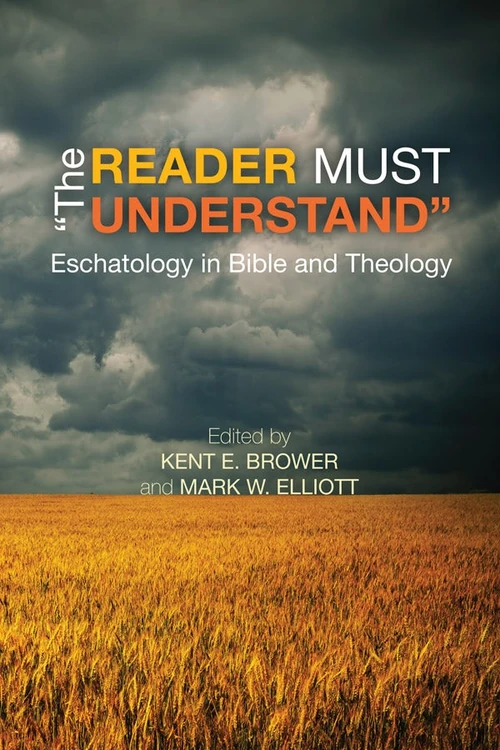
The Reader Must Understand
Eschatology in Bible and Theology
- Biblical Studies & Commentaries
- Theology
- Publisher: Wipf and Stock
- Published: 2013
FritzSearch.com earns a commission on purchases made through Bookshop.org links.
Publisher's Description
"The reader must understand" is a more forceful translation of the words usually rendered "let the reader understand" in Mark 13:14. Translated this way, this volume's title stresses the importance of eschatology for Bible readers and theologians. Eschatology, the study of "the last things," is central to New Testament studies and, indeed, is not without importance for the Old Testament. The Bible's eschatology and its place in Christian theology must therefore be taken very seriously. The essays in this volume, most of which were presented at the Tyndale Fellowship Triennial Conference 1997, offer new and important ideas and analysis. They cover five main areas--biblical theology, Old Testament, New Testament, Christian doctrine, and practical theology--and significant contributions are made in each area
Endorsements (2)
“The third triennial Tyndale Fellowship conference of the 1990's once again generated a high quality of papers worthy of publication. Supplemented by a few additional essays prepared just for this volume, this collection ranges widely over significant, contemporary issues crucial to understanding biblical eschatology. Not afraid to take controversial stands in places, this anthology will stimulate scholars and pastors alike. Many thanks to the editors for making these papers more widely accessible.”
“I have believed for a long time that 'eschatology' is such a slippery term that it should be banned from theological discourse! I therefore welcome all the more enthusiastically this book, which will help to clarify discussion in this area and enable Christians to think biblically and systematically about God's purpose for the future of his world and his people.”
See something wrong on this page? Report a problem