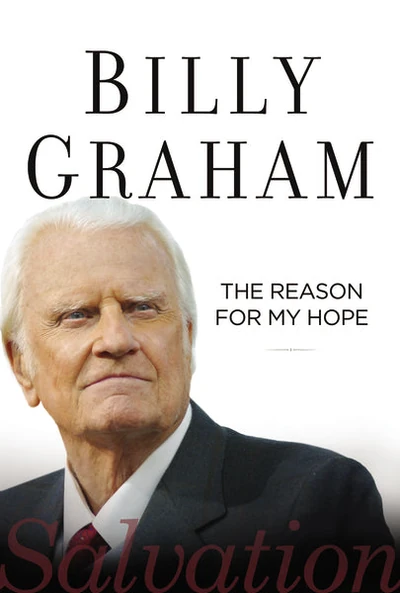
The Reason for My Hope
Salvation
- Evangelism & Missions
- Publisher: W Publishing Group (Thomas Nelson)
- Published: 2015
FritzSearch.com earns a commission on purchases made through Bookshop.org links.
Publisher's Description
The saving message of the Gospel is the heartbeat of this preacher and evangelist. Millions around the world heard Billy Graham proclaim this unchanging truth. He never forgot the transformation of his own life, when he first said yes to God’s gift of salvation, and he witnessed multitudes turn their hearts to the God of Hope. What is the most hopeful word in History? For Billy Graham, that word is SALVATION. Billy Graham proclaimed God's Gospel with resolve and deep compassion. It is a message he preached for more than seventy years. And in this book you will sense its urgency, filled with hope for the future. Salvation is what we all long for, when we are lost or in danger or have made a mess of our lives. And salvation belongs to us, when we reach out for the only One who can rescue us—Jesus. The Reason for My Hope: Salvation presents the essence of that transformative message. It is biblical and timeless, and though simple and direct, it is far from easy. There are hard words, prophetic words, directed toward a culture that denies the reality of sin and distracts us from the veracity of Hell. But through its ominous warnings shines a light that cannot be extinguished—a beacon of hope that Jesus came “to seek and to save that which was lost” (Luke 19:10).
Endorsements (1)
“Age and illness have removed him from the public eye, but only death will stop Graham from promulgating the same good news of salvation in Jesus Christ that he has preached now for 70 years. Only some of his exempla are new, drawn from recent headlines and the web, but, as always, Graham makes the message fresh, makes it new, in a plain-speaking and personal manner that few other evangelists have mastered quite as well. He remains absolutely faithful to the text of the Bible, as sure of sin and damnation as they are biblically portrayed as he is of repentance, salvation, and heaven. Moreover, he is as convinced of prophecy—that Jesus’ coming was foretold and that his Second Coming is certain—as ever. He doesn’t acknowledge nuance (although he doesn’t condemn metaphorical reading of scripture, either), and—what upsets contemporary sensibilities much more—he adheres to traditional understandings, for example of marriage, as firmly as to traditional evangelical interpretation of the Bible. He that hath ears to hear, let him hear.”
See something wrong on this page? Report a problem