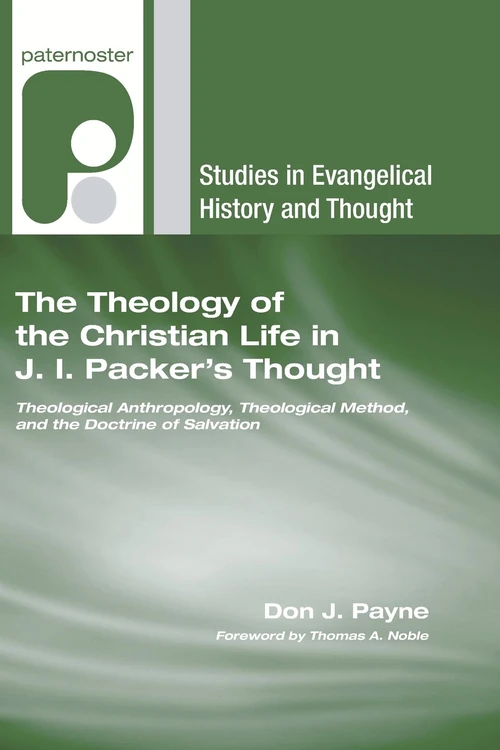
The Theology of the Christian Life in J.I. Packer's Thought
Theological Anthropology, Theological Method, and the Doctrine of Sanctification
- Theology
- Publisher: Wipf and Stock
- Published: 2006
FritzSearch.com earns a commission on purchases made through Bookshop.org links.
Publisher's Description
This study offers a critical analysis of J.I. Packer's theology of the Christian life. Packer has achieved international acclaim and wielded widespread influence within evangelicalism for more than three decades, particularly through his writings on the doctrine of sanctification. His approach to sanctification is examined in light of the theological anthropology and theological method that constitute its unique structure and assumptions. J.I. Packer has been one of the most recognized evangelical theologians of the late twentieth century. Among his theological passions is anchoring the Christian life in the legacy of Reformed theology, particularly that expressed by seventeenth-century English Puritanism. Yet, his treatment of the doctrine of sanctification is shaped by two other influences: theological anthropology and theological method. This hermeneutical exploration of Packer's treatment of sanctification offers fresh insight into his thought and demonstrates the often unnoticed impact of theological anthropology and theological method within evangelical theology.
Endorsements (4)
“Given the scope and influence of Packer's theology, it is high time for a serious, critical engagement with his thought. This book does that job with admirable fairness, clarity and perception.”
“Dr Payne contends that Packer's writings reveal an unresolved tension between his rationalism and his experimentalism. This graciously-argued case merits careful scrutiny, and raises important questions regarding theological method.”
“Don Payne makes a strategic contribution by focusing on Packer's theology of sanctification, and he demonstrates keen insight by pursuing this in conjunction with Packer's theological method and anthropology. He helps us better understand not only Packer but the Evangelical movement of which he is a part.”
See something wrong on this page? Report a problem