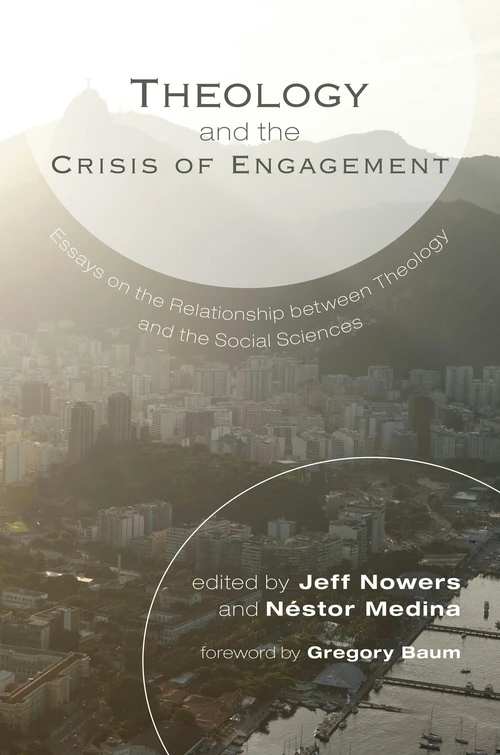
Theology and the Crisis of Engagement
Essays on the Relationship between Theology and the Social Sciences
- Theology
- Publisher: Pickwick Publications (Wipf and Stock)
- Published: 2013
FritzSearch.com earns a commission on purchases made through Bookshop.org links.
Publisher's Description
What does theology have to do with sociology? Do the social sciences in general provide helpful assistance to theologians? Does theology have anything to contribute to social theory? This compendium of essays attempts to address such questions. In so doing, it confronts assumptions about how academic disciplines are best articulated, whether within their own airtight frames or in dialogue with one another. The essays in the first half of the book accomplish this from historical and methodological perspectives, while the remaining essays present case studies or constructive proposals for how theology might engage the social sciences in productive ways. For those particularly interested in the ongoing development of theologies of liberation, this book will be timely. The essays, reflecting a definite international flavor, are written in honor of Lee Cormie, a long-standing advocate of what he calls the "new voices" in theology that have irrupted in the wake of Vatican II. Cormie has spent over three decades teaching theologies of liberation at the Toronto School of Theology on the campus of the University of Toronto. This book continues the many conversations that his teaching has provoked.
Endorsements (3)
“At the heart of these compelling essays are questions about how theology, the church, and the wider world might be shaped, reshaped, or transformed by the irruption of a myriad of new voices. Taken together, the reader is confronted by the situatedness of all theologies, and at the same time, by glimpses of concrete hope within history. This volume fittingly honors and extends the work of Lee Cormie, educator and theologian of this new Pentecost.”
“Lee Cormie's colleagues and students bring various methodological, historical, and contextual analyses to bear on the contemporary devastation of the poor. While the individual essays stand separate in their critical perspectives and contributions, the volume coheres through its witness to friendship among a community of scholars who share faith and hope.”
See something wrong on this page? Report a problem