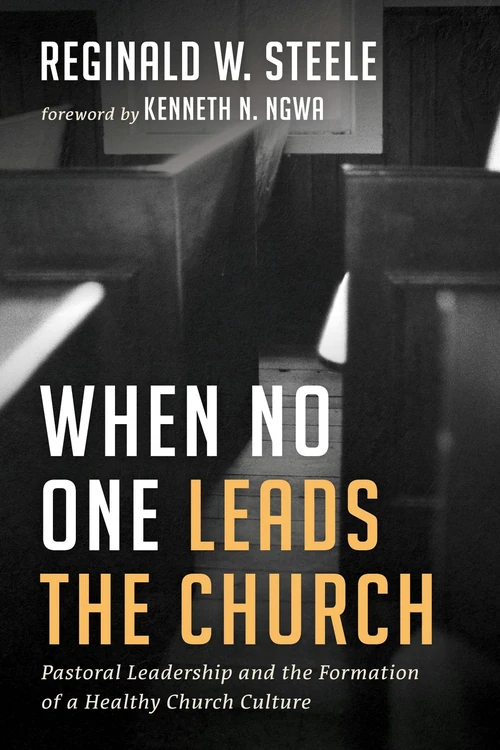
When No One Leads the Church
Pastoral Leadership and the Formation of a Healthy Church Culture
- Church Leadership & Ministry
- Publisher: Wipf and Stock
- Published: 2025
FritzSearch.com earns a commission on purchases made through Bookshop.org links.
Publisher's Description
When No One Leads the Church delves into the intricate social dynamics influencing Black Baptist congregations, focusing particularly on the influence of "family legacy groups." By using the fictional Wayside Baptist Church as a case study, the book investigates how survival strategies, initially developed to navigate leadership changes and conflicts, become ingrained in the church's culture. These survival strategies, while once crucial for maintaining stability, often solidify into power structures that resist change, impede growth, and create friction between traditional governance and new practices. To shed light on these dynamics, the book draws a compelling comparison to Malcolm X's life, contrasting his survival identity before his pilgrimage to Mecca with the transformative journey that altered his perspective and ethics. This comparison offers a framework for understanding how deeply rooted congregational practices can either block or enable change. Across seven chapters, the book explores the origins of family legacy groups, the influence of teaching and leadership, the significance of rituals like Lent and pilgrimage, and the potential for transformation within faith communities. This book serves as both a critique and a guide. It urges Black Baptist churches to distinguish between essential survival practices and distorted legacies, while providing pathways for renewal, justice, and genuine congregational transformation.
Endorsements (2)
“Densely packed with fresh, interreligious insights about the ethics of internal Black church congregational life, Reginald Steele’s analysis will deepen and shake up what you imagine possible for substantive and justice-oriented healthy transformations to occur.”
See something wrong on this page? Report a problem