Craig A. Carter
Biography
Craig A. Carter wrote Interpreting Scripture with the Great Tradition.
Bios generated by automated processes. · Report a problem
A Practical Primer on Theological Method
Theology
“There are many books on systematic theology, but not many that could be considered genuinely appropriate for a beginning student. This book fills that need by introducing the study of theology in a way that is accessible, interesting, and winsome. It does not come from an eccentric viewpoint but tries to be open to many streams of orthodox Christian theology. This means it will be useful to students who don’t even know yet what tradition they identify with. And there are many such students in today’s Bible colleges and seminaries. If you are looking for a book to give a young, aspiring theological student, this would be a wise choice.”
An Introduction to Reformed Apologetics
Theology
“It is not often that a book in apologetics can claim to stand squarely in the historic Reformed tradition while offering new insights into how to do apologetics in the contemporary world, but this one can. Fesko's book demonstrates a deep understanding of the plight of hypermodernity and boldly suggests that historic Christian orthodoxy offers answers to the despair of a post-Christian society. Fesko is not limited by the method of presuppositionalism, but he is not shy about critiquing false presuppositions. He is not limited to evidentialist method but makes judicious use of evidence. He is not afraid to employ metaphysical arguments that have never been proven wrong but just ignored since Kant. He exposes the religiosity of supposedly secular modernity. And he does a masterful job of showing how all his moves are based on scriptural teaching. This is the best single book on apologetics that I know.”
Theology
“This study of O'Donovan and Yoder demonstrates more common ground between them than one might have suspected. Doerksen provides a fair and balanced treatment of the Reformed and Anabaptist theo-political traditions in the two persons of two of those traditions' strongest proponents. It deserves careful reading by anyone interested in social ethics done from outside the dominant traditions of political theology.”
Discipleship & Christian Education
“This brief guide to the history of education is a valuable resource for those who wish to think about what education is, what it should be, and what it possibly could be. History helps to cure our myopia and enlarge our vision. Newell does a great job of presenting a broad picture of what education has been in various cultural settings in the past. Anyone interested in thinking Christianly about education would benefit from this small but wide-ranging treatment.”
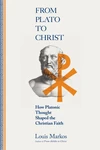
Philosophy
“We need this book because we cannot understand ourselves unless we understand the tradition of thought that has shaped the West, including the church. One of the key thinkers at the root of our culture is Plato. His influence on Christian writers has been immense, yet he is little known and greatly misunderstood today. Louis Markos does us a great service in this accessible and fascinating book, which functions as an introduction to the thought of Plato and an assessment of his influence on major Christian writers from the church fathers to C. S. Lewis.”
Biblical Studies & Commentaries
“Up to now, the theological interpretation of Scripture movement has clearly pointed out the failures of historical-critical commentaries but has struggled to provide a viable alternative. Here we see a truly theological commentary that uses a wide range of scholarship to engage the book of Micah as the Word of God. This is an outstanding example of what the commentary genre can and should be.”
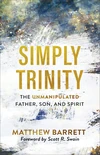
Christian Living
“I was blown away by this book, a clear, powerful intervention into trinitarian controversy. The critique of evangelical subordinationists alone is fantastic, and no attentive reader should miss their connections with social trinitarianism. Evangelical theology is in serious trouble, and I think many of us have known that for years, but this book will be impossible to ignore. We simply must turn this trend around or evangelicalism will lose its hold on the gospel.”
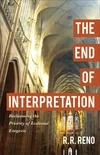
Theology
“This book may not have all the answers to the thorny questions of biblical hermeneutics after the demise of the historical-critical approach, but it at least points us in the right direction by advocating for the priority of ecclesial exegesis. Since the Bible was given to the church by God, it must be interpreted with its end, or purpose, in mind. Reno shows that true doctrine neither supersedes nor undermines the Bible but rather ‘accords’ with it. In premodern times, doctrine and exegesis informed each other, and they should do so again.”
Theology
“This book presents the basic biblical, historical, and systematic material essential to understanding the orthodox and biblical doctrine of Christ. It is an ideal first book to read on the central doctrine of the person of Christ for students and a great review for pastors and lay leaders.”
Theology
“So much contemporary theology betrays a dangerous impatience with mystery and the limitations of creaturely knowledge of God. In a vain attempt to bring God into a closer relationship to creation, even some Reformed and evangelical theologians now are denying God’s simplicity and immutability. They seem to think that they can change classical, Nicene, metaphysical doctrines, yet still somehow escape the pitfalls those doctrines were designed to avoid. But to say that God is both changing and unchanging is not a paradox, but a contradiction, and by introducing contradictions into our doctrine of God they destabilize it in dangerous ways. In this careful work, Richard Barcellos patiently explains, in a step-by-step way, the reasons why the metaphysical doctrines of classical theism are enshrined within the Reformed creeds of the seventeenth century and why it is folly to abandon this creedal wisdom for contemporary fads. This is an enlightening and clearly argued book, which contributes to the retrieval of classical orthodoxy in our day.”
NOTE: Only includes books currently in our catalog; not necessarily a complete list.
Christian Living
See something wrong on this page? Report a problem