Fred Sanders
Books Endorsed by Fred Sanders
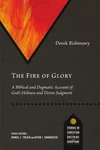
Theology
“Here is a powerful rearticulation of divine holiness, something so primal, central, and basic that we often fail to do it justice in theology and scriptural interpretation. Derek Rishmawy shows how a surprisingly large set of contemporary confusions arise from failing to focus theological attention on holiness. The Fire of Glory is apologetically alert, systematically sound, and exegetically rich.”
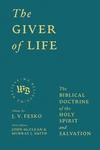
Theology
“A spirited soteriological synthesis, gathering up a distinctively Protestant doctrine of salvation under the sign of Nicene pneumatology.”
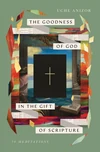
The Goodness of God in the Gift of Scripture
Christian Living
“Too many otherwise solid books about the Bible sound as if they are speaking about it from outside, from some distance. Uche Anizor’s The Goodness of God in the Gift of Scripture speaks from inside, from a place of deep insight into how God gives Scripture to draw us near. This book is a major spiritual corrective in a modest devotional package.”
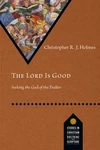
Theology
“God is good, but how much more can we really say once we've said that? Holmes manages to say quite a lot more about it in this unique study, an extended conceptual gloss on the psalms with help from Augustine, Aquinas, Barth, and Sonderegger, among others. Crammed with suggestive ideas, well-resourced from the great tradition, and deeply edifying in tone and intent, this book reinstalls divine goodness at the center of theological concerns.”
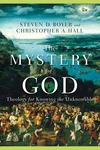
Theology
“Here at last is a clear, precise, and careful treatment of mystery in Christian life and theology. Boyer and Hall chart a middle course between the cliffs of rationalism and the whirlpool of irrationalism, bringing readers safely through to the spiritual homeland, to lives hidden with Christ in God. There is no mystery mongering here. When Boyer and Hall appeal to mystery, they are not obfuscating but opening up and clarifying vast ranges of theology and spirituality.”
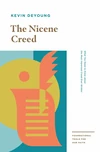
Christian Living
“Kevin DeYoung’s introduction to the Nicene Creed really puts the creed into our hands as something every believer can make intelligent use of—truly a foundational tool for our faith. At just the right length and in just the right tone, this is just the right introduction to the creed.”
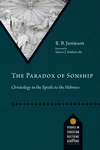
Theology
“The Paradox of Sonship illuminates the central christological conundrum of Hebrews by reading the book in dialogue with classical theological categories. Conventional academic practice has long warned against allowing doctrine and exegesis to make such close contact, but here Jamieson demonstrates the sweeping benefits of reuniting them. The drama, the tension, and even the sheer literary suspense of Hebrews come to life in dialogue with Nicene and Chalcedonian categories. I hope to see many more books that follow the path opened up here.”
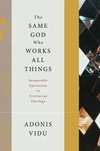
The Same God Who Works All Things
Theology
“Contemporary theology has suffered from the absence of a careful, patient investigation of inseparable trinitarian operations. Any book meeting this need would be cause enough for gratitude. But we are especially fortunate to have such a book from Adonis Vidu, whose work combines analytic precision, scriptural depth, and a fully systematic scope of vision. The Same God Who Works All Things is sure to rank among the most important studies in trinitarian theology published in this decade. I consider it required reading that will sharpen current thinking considerably.”
Theology
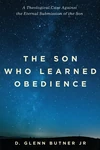
“In The Son Who Learned Obedience Glenn Butner takes the recent controversy over eternal functional subordination and places it into an effective dialogue with the long history of trinitarian and christological doctrine. Many commentators have quoted a few church fathers and some reformers along the way. Butner's book is the best so far in rehearsing the classical lines of Christian doctrine, patiently comparing them to the terms of the recent debate. The result, especially for questions about dyotheletism and the singular will of the Trinity, is immensely clarifying.”
Apologetics
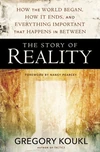
“When I looked into Koukl’s Story of Reality, I thought, “This is not how I would say this.” I would have used more technical terms, added quite a bit of history, expanded it by a couple of hundred pages, and put in about a thousand footnotes. So readers can rejoice that, instead, Greg Koukl is the right man to tell the story in such a clear, concise, and conversational way. This book explains the central ideas of Christianity and answers questions people are really asking.”
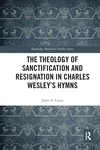
The Theology of Sanctification and Resignation in Charles Wesley's Hymns
Theology
“This book automatically commends itself to admirers of Charles Wesley, but Lunn’s spirited retrieval of the resignation theme and her success in setting it in its wider context should also bring the subject to the attention of a wider readership in the areas of theology, pastoral work, and spirituality.”
Theology
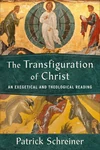
“Pondered as an isolated event, the transfiguration makes very little sense to us. Schreiner has learned the secret: don’t isolate it, but instead read it as having elements of both epiphany and apotheosis, preexistence and consummation, eternal sonship and messianic sonship. A spirited and energetic introduction to this neglected mystery of the life of Jesus.”
Theology
“What a powerful instrument this little book is, meeting the need of our moment for clear and precise teaching on this most important subject. Would you rather read a book on the Trinity that invites you into the worship of God and gives profound insight into his ways or a book that is guaranteed to provide safe, reliable, and responsible instruction? There is no need to choose: this book does it all, and in admirably brief compass.”
Theology
“Martin Luther never sat down to write a treatise on the Trinity in a format that modern systematic theologians would recognize, and sure enough, modern scholars have overlooked or misconstrued Luther's understanding of the Trinity as a result. But he hid it in plain sight, in the unexpected genres of medieval-style academic disputations, hymns that echoed the Psalms, and wide-ranging expository sermons keyed to the liturgical calendar. Helmer's book, ahead of its time when originally published and still on the leading edge of scholarship in this paperback edition, offers a very close reading of a handful of texts that surprise, illuminate, and suggest ways forward for theology today.”
Theology
“Books about theological interpretation often fail to engage the material content of the Christian doctrine of God; books on the doctrine of God sometimes fail to reflect on their own hermeneutical method, or to do actual exegesis. Scott Swain has put together the perfect combination here. This highly readable volume leads readers into Scripture and the doctrine of the Trinity simultaneously. It is deeply informed, cogently argued, and elegantly written.”
Apologetics
“I learned a lot about Christadelphian doctrines and attitudes from reading Sutcliffe's clear and helpful book, even though it was written to work the other way around: to help Christadelphians understand what Trinitarian Christians actually believe and teach. That the book can work in either direction is a testament to how well the author keeps to the main things, explaining basic theology and engaging widespread misunderstandings.”
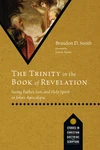
The Trinity in the Book of Revelation
Theology
“The old insult obscurum per obscurius means trying to explain one obscure thing by way of something even more obscure. Surely a study of the Trinity in the book of Revelation runs this risk, we might fear. But instead, Brandon Smith surprises us with clarity and calmness, a firm grasp of the main lines of biblical truth, and a compelling vision of the big picture of Christian doctrine. Highly recommended as an exercise in reading Scripture with classic doctrinal categories for the purpose of knowing God.”
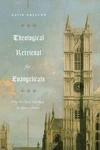
Theological Retrieval for Evangelicals
Theology
“Ortlund argues compellingly that evangelicals can and should claim the classic theological heritage as their own. And then he actually does it, opening up the treasury of the great Christian tradition and dispensing theological wisdom with both hands. To look into this book is to look through a doorway into a world where there is such a thing as evangelical theology that is richly resourced, deeply informed, and ready for action.”
Theology
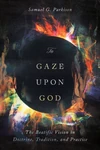
“This book traces the full, long lines of the beatific vision from the Bible to today, with special attention to the near side, where the classic doctrine makes direct contact with evangelical Protestant commitments such as sola Scriptura and imputed righteousness. Late in the book, Parkison asks himself, 'Is it right for a Baptist to talk in this way?' It is a question worth pressing, and this is the book that answers it with a carefully considered, critical, and clear 'yes!'”
Books Authored or Contributed to by Fred Sanders
NOTE: Only includes books currently in our catalog; not necessarily a complete list.
Theology
History & Biography
Theology
Theology
Co-author
Christian Living
See something wrong on this page? Report a problem