Gene Outka
Biography
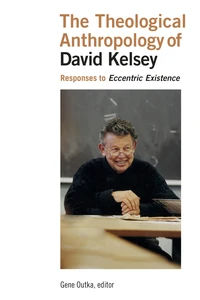
Gene Outka edited The Theological Anthropology of David Kelsey.
Bios generated by automated processes. · Report a problem
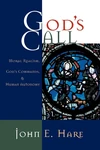
“This volume offers a wide range of important arguments. Its three chapters show striking precision and concision. John Hare first considers debates within Anglo-American philosophy over the last century between moral realists and moral expressivists. He seeks to hold together the objective and subjective sides of evaluation and to defend prescriptive realism. Next he goes back to John Duns Scotus in the later Middle Ages in order to retrieve parts of Scotus's divine command theory. Thus he resists making natural law the only theist alternative to secular ethical theories. Finally he critically examines relevant claims in Immanuel Kant, who stands influentially between the medieval and contemporary standpoints. He contends that Kant does not attack divine command theory without further ado, as most contemporary interpreters suppose. These are engaging arguments indeed. Hare displays wide reading in the primary and secondary literature. His style is lean and accessible. This book merits and rewards serious scrutiny, and I commend it with enthusiasm.”
Peacemaking and Religious Violence
History & Biography
“"Roger Johnson utilizes in this volume his formidable historical and theological knowledge to appraise two contemporary tides in our culture: a growing Christian peace witness and a growing public concern about religious violence . . . This welcome study enriches our awareness of historical figures some of whom are less well-known and it connects them all in instructive ways. It brings the Constantinian and the contemporary eras into comparative focus, something too rarely done. This is a deeply illuminating and carefully researched text that deserves to be widely read and taken to heart.”
The Romance of Innocent Sexuality
Ethics, Culture & Social Issues
“"In this text Geoffrey Rees looks to the Augustinian tradition as providing constructive insights that are currently neglected, if not vilified, so that the tradition's association of sexuality and sin affords a corrective to the perfectionist and simplifying liberationist trends in contemporary discourse . . . he also considers romantic narrative conventions that appear in nineteenth-century literature, and claims, originally I believe, that they epitomize the strains in contemporary discourse on sexuality that extol its perfectionist and liberationist possibilities . . . in doing so, Rees shows himself to be an astute thinker and an engaging and elegant writer.”
Ethics, Culture & Social Issues
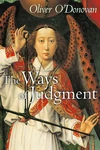
“In this sequel to his Desire of the Nations, Oliver O'Donovan displays a wisdom we have come to expect from him. He throws light on political conceptions from the final vantage point of Christian convictions resident in the creeds. A powerful, carefully considered work that unforgettably reconceives how we may live in late-modern Western society.”
NOTE: Only includes books currently in our catalog; not necessarily a complete list.
See something wrong on this page? Report a problem