Gesa E. Thiessen
Biography
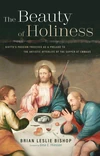
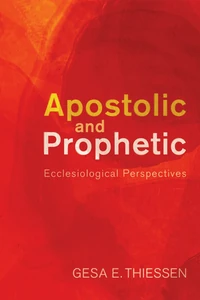
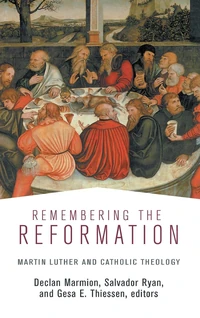
Gesa E. Thiessen has served as a lecturer in systematic theology at the Milltown Institute of Theology and Philosophy and at the Mater Dei Institute in Dublin, and as an Honorary Fellow in the Department of Theology and Religious Studies of the University of Wales, Lampeter. Thiessen wrote Apostolic and Prophetic (2011) and edited Remembering the Reformation (2017), and wrote the foreword to The Beauty of Holiness (2020).
Bios generated by automated processes. · Report a problem
Books Endorsed by Gesa E. Thiessen
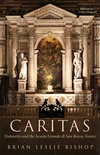
Arts & Literature
“The Scuola Grande di San Rocco in Venice counts among the most impressive places of art in the whole of Italy. Brian Bishop has written an empathetic, informative, and in-depth guide to Tintoretto’s works which will benefit the visitor and contribute to the appreciation of one of Italy’s great artists.”
Divine Generosity and Human Creativity
Theology
“A Renaissance man in a time of ever-growing specialisation, Brown’s work impresses in scope, research, energy and erudition... His knowledge is breath-taking.”
Theology
“A Renaissance man in a time of ever-growing specialisation, Brown’s work impresses in scope, research, energy and erudition... His knowledge is breath-taking.”
Handbook on Postconservative Theological Interpretation
Theology
“This is an impressive work, a true achievement in providing far-ranging perspectives on contemporary theological hermeneutics in a fashion that takes seriously both context and tradition.”
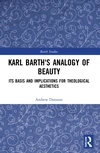
Karl Barth's Analogy of Beauty
Theology
“Andrew Dunstan has written an in-depth examination of Karl Barth’s contribution to theological aesthetics. Clear and carefully considered, it is an authoritative and important study on the most eminent Reformed theologian of the twentieth century.”
Theology
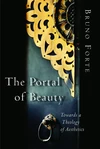
“A fine introduction to the notion of beauty in some key thinkers, written with empathy and insight.”
Theology
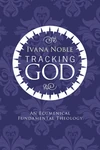
“Noble's publication is timely. Written with empathy, insight, and clarity, it presents a remarkable introduction to Christian theology. With its synthesis of a wide range of theological, philosophical, and spiritual orientations, it ought to become required reading for theology students of all Christian traditions. In itself it is a significant contribution to doing theology in an ecumenical fashion.”
Books Authored or Contributed to by Gesa E. Thiessen
NOTE: Only includes books currently in our catalog; not necessarily a complete list.
Theology
See something wrong on this page? Report a problem