John Bowlin
Ethics, Culture & Social Issues
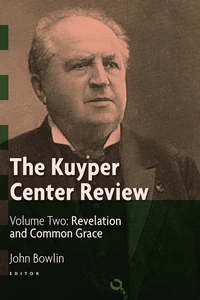
“Part introduction to the principal loci of Kuyper's theology of culture, part personal reflection on the legacy of neo-Calvinism, part Kuyperian aggiornamento for the twenty-first century, Rich Mouw's book is a gem. Its engagement with Kuyper's work is thoughtful and sympathetic, but also questioning and critical, a combination that makes this book a perfect entryway into Kuyper's social thought.”
Theology
“What if critical reflection on theological method, on the possibility of theological knowledge, offered something more than a cleared throat, a sharpened knife, or a soul in despair? What if, indirectly, almost accidentally, it yielded real theological substance—hints of sin and grace, shadowy images of Christ and salvation, a stammering witness to the eschatological itinerance of a Christian life? What if these methodological reflections unmasked the sinful folly of every theology that tries to redeem itself, epistemologically speaking, by whatever method? And what would a theology look like that resisted the temptation to save itself, that broke free of the standard options—systematic or constructive, dogmatic or liberationist, truth-tracking or justice-seeking—by making each contend with each? Funded by a resolute theological realism and an antipositivist account of truth and value, could this nonconforming theology bear witness to God’s queer grace? Reichel poses these questions and many more in this brilliant, important, provocative book.”
“Tom Coogan invites Christians and Deadheads to regard their moral commitments, social ideals, and spiritual practices as analogies of each other. Think this through with me, he says to his reader, and let me know your mind. To my mind, he has given us a splendid portrait of the life that Deadheads and Christians might share.”
Philosophy
“In these deep and often beautiful essays, James Wetzel teaches us how to be Augustine's student, how to become better readers of our particular griefs, how to acknowledge the good that comes as beauty. There is no better interpreter of Augustine working today.”
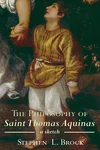
The Philosophy of Saint Thomas Aquinas
Philosophy
“Thomas Aquinas was a theologian who used philosophy to lead us step by step from familiar truths to unfamiliar wisdom, from what natural reason can know to the divine things it cannot. To follow his lead, we need to know something about the philosophy he finds useful, something about its object, principles, concepts, and limits. Stephen Brock's book is a splendid sketch of the metaphysics Thomas uses in the service of theology. It's the best we have.”
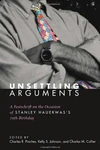
Theology
“Good arguments sustain good friendships, and this volume bears witness to the extraordinary friendships that Hauerwas and his students have been drawn into. Yes, there's gratitude and devotion here, but it's the criticisms that stand out, that make this a particularly feisty festschrift. His dependence on Yoder runs afoul of his devotion to Aristotle. He domesticates Wittgenstein's skepticism in order to discount his own individualism. He misconstrues the church as polis, makes a mess of practical reason, and gives metaphysics short shrift. He bungles the relationship between disability and grace, misunderstands how liturgy affects the moral life, and runs rough shod over the just war tradition. He is not yet a pacifist! He is an heir of the liberalism he despises! And he's a lousy dresser to boot! Those concerned that Hauerwas's talk of tradition, community, and virtue encourages slavish emulation of authorities and exemplars will find little evidence of that here. Rather, what we find is appreciation mixed with complaint, confidence leavened with doubt, and loyalty expressed in conversation. That we might all have such students, such friends!”
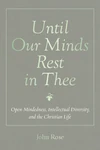
Philosophy
“Our lives, reading lists, and conversation partners are increasingly sorted and segregated. . . . In universities and colleges, moral and intellectual diversity are increasingly uncommon, friendships across important divides increasingly rare. In response to these ills—to these undemocratic times—John Rose offers us a philosophically chastened open-mindedness, a virtue that is also a moral calling and an intellectual ideal. Even those inclined to resist what Rose says about normative arguments based on human nature, or about the folly of radical fallibilism and the merit of a Christian virtue ethics, will have to wonder whether they can discount the open-mindedness that he so ably defends.”
NOTE: Only includes books currently in our catalog; not necessarily a complete list.
See something wrong on this page? Report a problem