Robert K. Johnston
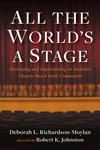
Arts & Literature
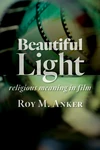
“Roy Anker is one of our most perceptive theology-and-film writers. Where Elijah heard God in the evocative sound of sheer silence following a storm, Anker discovers analogous thin places in the depictions of human experience in film. Thoughtful, thorough, and eloquent, Anker shows readers how nine movies illuminate the mystery of being. Here is theological film criticism at its best.”
Theology
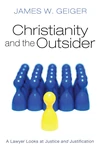
“In a world where the outsider is our neighbor, Christians should be asking, 'How is God present outside the church?' Geiger's provocative thesis, rooted christologically, moves the agenda forward, breaking new ground in the process.”
Theology
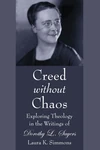
“As the institutional church falters, lay theology becomes increasingly important, infusing dogma with new life. In twentieth-century England, the list of such lay thinkers was impressive--Chesterton, Lewis, Eliot, and the least known of this group, Dorothy Sayers. With the publication of Creed without Chaos, readers now have access to the breadth of Sayers's theology, particularly as expressed in her voluminous letters. In the process, Simmons has provided an important resource for America's twenty-first-century church.”
Prayer & Spiritual Formation
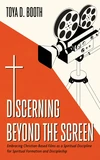
“As Christian-based films continue to improve in quality, an increasing number of these movies provide stories that have both spiritual meaning and power. Traditionally, many Christian-themed movies were thought to be evangelistic tools. But Toya Booth has rightly recognized that the larger potential of such movies resides in their ability to encourage discipleship and spiritual formation. I recommend Discerning Beyond the Screen, as it will encourage Christians to expand their resources for deepening their relationship with Jesus.”
Theology
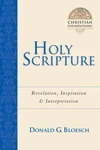
“Bloesch argues convincingly for a theology of Word and Spirit, not of rationalism or mysticism. Like Luther and Calvin, Forsyth and Barth, his mentors, Bloesch believes that the power of the Word of God creates its own hearing. Christologically centered and biblically rooted, Bloesch is in continual dialogue with theologians past and present. He states that his desire in [A Theology of Word Spirit] is to produce 'an enlivening and liberating orthodoxy,' and he has succeeded.”
Arts & Literature
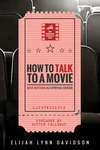
“Deceptively brief and simple, How to Talk to a Movie is a great read--whether for students taking classes on film, for Christians wanting to lead a film discussion group, or for any and all film lovers who recognize that a film's presence extends outward beyond its screening to conversations with others and perhaps the Other.”
Christian Living
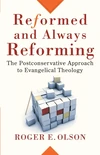
“'Evangelicalism' has been described as a set of corrective theological emphases. Roger Olson describes how among postconservative evangelicals such an impulse for reform has continued right up to the present. Privileging a style that is open and generous, these theologians have valued transformation over information and have put narrative before proposition. One can only applaud.”
Arts & Literature
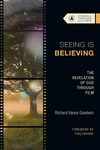
“Seeing Is Believing breaks new ground for Christians desiring to become more discerning filmgoers. Helping viewers move beyond mere plot analysis, Goodwin heightens our awareness of what images also accomplish. If you love going to movies, you'll love reading this book. You'll also love watching your next movie more!”
Theology
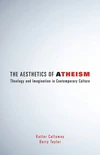
“The Aesthetics of Atheism demonstrates how our contemporary cultural imagination can become a source for significant theological and biblical inquiry. Readers will first be surprised and then convinced that TV horror stories like Stranger Things, the music of David Bowie and Leonard Cohen, and the art of Damien Hirst might actually open up the text of the Gospel of Mark in significant ways. Here is reflection on theology and contemporary culture at its finest.”
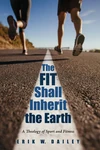
The Fit Shall Inherit the Earth
Theology
“How is God at work in the cultural practices of sport and fitness? In answering this question, The Fit Shall Inherit the Earth interlaces historical theology with cultural critique, popular ‘theology’ with an experiential case study. The result is a theology of physical fitness oriented to creation care and a life of Christian discipleship. Dailey is to be commended for encouraging the church to focus theologically on a largely neglected topic.”
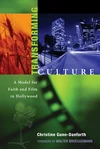
Arts & Literature
“Transforming Culture presents readers with a bold, provocative thesis that stirs one's imagination. Combining communication theory and cultural studies with Old Testament theology (particularly Brueggemann's model of prophetic/poetic imagination), it argues that Christian film producers, much like the writer of Jonah, can/should create an alternate consciousness in our culture. Their goal? Hopeful subversion of our reigning hegemony.”
NOTE: Only includes books currently in our catalog; not necessarily a complete list.
Ethics, Culture & Social Issues
Christian Living
Biblical Studies & Commentaries
See something wrong on this page? Report a problem