Ryan M. McGraw
Biography
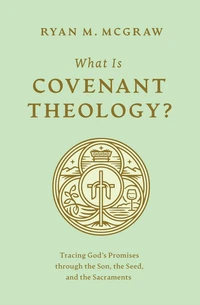
Ryan M. McGraw earned a PhD from the University of the Free State. McGraw has served as professor of systematic theology at Greenville Presbyterian Theological Seminary, and previously served in pastoral ministry. McGraw wrote What Is Covenant Theology? (2024) and contributed to Ruined Sinners to Reclaim (2024).
Bios generated by automated processes. · Report a problem
Theology
“Readers interested in plumbing the depths of a difficult theological question with careful nuance, precision, exegetical skill, and devotion will profit from this study.”
Theology
“The Trinity gives coherence to Christian faith and life. While multiauthor volumes often lack coherence, a beautifully biblical and classically catholic vision of the Trinity draws these contributors together. Presenting a positive, and overwhelmingly persuasive, depiction of ideas such as divine simplicity, processions, missions, and appropriations, this book has potential to change permanently how many modern Christians think about the Trinity. Though it is likely naive to hope that this will be the case, this material should kill and bury any notion of subordination in the Trinity, showing that such dead ideas are incompatible with the living faith of the church. A lot remains at stake in trinitarian theology, and this volume goes along way toward illustrating why and how.”
Theology
“Systematic Theology tells the story of the gospel and brings it to bear on Christian faith and life. This fresh approach is catholic in its scope and distinctly Reformed in its teaching. It is refreshingly nonpolemic, taking the best of the entire Christian tradition with great charity and deep discernment. The fact that I do not agree with everything in the book is part of what makes studying a systematic theology like this so humbling. We are pilgrims on the path to glory, walking in communion with the triune God and longing to see Christ as he is. Letham’s work persuasively and winsomely helps us along this path.”
Biblical Studies & Commentaries
“Everyone who believes in Christ has made a decisive hermeneutical choice. The Bible is one book, with one overarching divine author, with one relentless message. Yet seeing Jesus Christ as the high scope and aim of both the Old and New Testaments implies that divine intent goes beyond historical events and contexts. The living God speaks through his living Word to living Christians, leading them to see Christ in Scripture, to apply texts to their own contexts, and to look for Christ to return in glory. Patrick Schreiner organizes into useful categories things that Protestants already do and know that we need to do when we read and preach the Bible. Ultimately, he gives us a path not only toward working hard to grasp what the Bible says but toward praying hard over why the Bible says what it says and where God is leading us through it. This superbly challenging and useful book might make us better, and more honest, readers and preachers by confirming the instinct that we really should see Christ in Scripture, do something with the text, and remember where our lives are headed.”
Theology
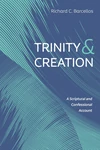
“Understanding the doctrines of God and creation, and the relationship between them, is the lifeblood of systematic theology. Richard Barcellos shows ably how and why the triune God remains unchanged by creation even while all things in creation relate to him. The result is a piece of sound confessional theology that addresses contemporary controversies fairly and biblically, while placing the doctrine of the Trinity at the center of the doctrine of creation.”
NOTE: Only includes books currently in our catalog; not necessarily a complete list.
Theology
See something wrong on this page? Report a problem