Stephen G. Ray Jr.
Biography
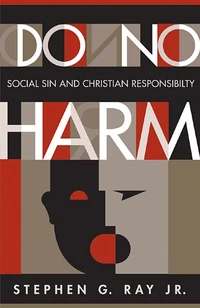
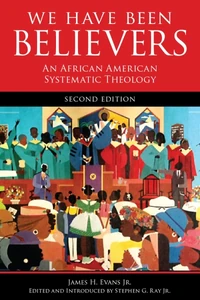
Stephen G. Ray Jr. wrote Do No Harm and the foreword to The Gospel Beyond the Grave, and edited We Have Been Believers.
Bios generated by automated processes. · Report a problem
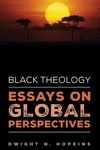
Black Theology—Essays on Global Perspectives
Theology
“Black Theology: Essays in Global Perspectives is a revelation. With this work Dwight Hopkins gives us a gift. This intellectual autobiography takes us on the journey that is the diasporan story of Black Theology. Through narrating his intellectual passions as they grow and change over time, Hopkins makes Black Theology a living and breathing project and not just an intellectual curiosity. For this he is to be thanked, many times over.”
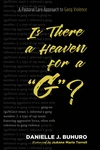
Counseling, Grief & Mental Health
“Is there a heaven for a G? Buhuro poignantly brings this question to the fore as it takes shape at ground zero of the brutal violence gripping the Black community in Chicago. Through a deft exploration through the lens of pastoral care of the systemic and relational sources of this communal violence, she has created a resource that is a must-read for anyone engaged in, or preparing for, ministry within communities dealing with cycles of lethal violence.”
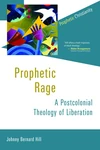
Ethics, Culture & Social Issues
“Prophetic Rage is, quite simply, THE book in black theology for which many of us have been waiting. In this eminently readable work Johnny Hill accomplishes what so many have given a nod to but not substantively dealt with in the field of theology -- constructing a theology that not only takes seriously the suffering of black people but uses the creativity of their own tradition to do so.”
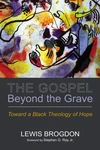
Theology
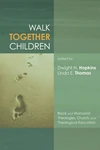
“This work represents an important gathering of the best thinkers from the Black Church, the Academy, and the Black community who come together to address the vital issue of Black flourishing in the twenty-first century. Their specific focus on the role that theological education, as it happens in the academy and the Church, plays in this project makes this timely and essential reading for all scholars, practitioners, and activists. This book will become a classic and be widely used in seminary classrooms and sanctuaries.”
NOTE: Only includes books currently in our catalog; not necessarily a complete list.
Ethics, Culture & Social Issues
See something wrong on this page? Report a problem