Stephen R. L. Clark
Biography
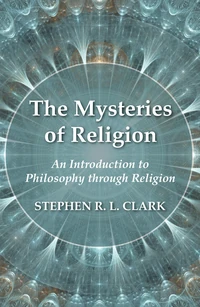
Stephen R. L. Clark is Emeritus Professor of Philosophy at the University of Liverpool and has served as an Honorary Research Fellow in Theology at the University of Bristol. Clark wrote The Mysteries of Religion (2017).
Bios generated by automated processes. · Report a problem
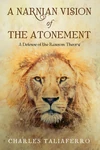
A Narnian Vision of the Atonement
Theology
“This is an engaging, light-hearted but also deeply serious work in defense of Lewis’s Narnia, and of the ‘ransom’ theory of the atonement. Taliaferro makes good sense of the theological notion that Christ ‘paid the price of sin’ and of the moral consistency of Aslan’s ‘ransom’ and rescue of the young Edmund, answering objections to both with sympathy and precision. A book that literary critics and Christian theologians alike should learn from.”
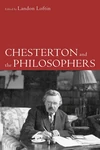
Chesterton and the Philosophers
Philosophy
“This is a fine collection of essays placing the work of Chesterton in its proper context, as a valuable contribution to European philosophy which was both critical and sympathetic. Chesterton’s abiding concern is with human experience of reality, as something that is both immediately present and entirely other than our own expectations and preoccupations. Popular and academic philosophers alike still have much to learn from his essays, stories, and extended studies.”
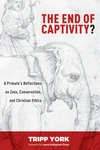
Ethics, Culture & Social Issues
“A warm-hearted and sensible look at the reasons for and against keeping animals captive in zoos, parks or sanctuaries, and the reasons against keeping them in factory farms in which those who speak out against zoos and the like are challenged to consider their own involvement in far worse forms of captivity. York is an intelligent and compassionate friend of the animals involved, and of their human keepers.”
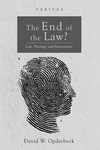
Science & Faith
“This is an erudite, closely reasoned, well-written, and wide-ranging study of the real and imagined problems for traditional Christian thought raised by the development of materialistic, biological, and now neurological theories about human nature and the possibility of an objective law to be discerned and obeyed by rational intelligences. Professor Opderbeck shows how a simply neurological account of our thoughts, motives and actions does more than contradict the Christian story: it is at odds with our ordinary self-understanding, with the possibility of a humane civil order, and with the scientific and scholarly enterprise itself: if all that we think, desire, and do is merely the effect of material events determined by the behavior of physical particles and the long effects of natural selection, there is no sense in supposing that we are capable of learning any objective truth, or amending our thoughts and actions in the light of an objective moral law. Only if we can in some way come to transcend our own physical nature can we hope even to learn what that nature is, and the Christian story at least offers a rational account of how that might occur. Scientists and theologians alike have a lot to learn from Professor Opderbeck.”
NOTE: Only includes books currently in our catalog; not necessarily a complete list.
Philosophy
See something wrong on this page? Report a problem