Terrance L. Tiessen
Biography
Terrance L. Tiessen is Professor Emeritus of Systematic Theology and Ethics at Providence Theological Seminary in Otterburne, Manitoba. Tiessen wrote Who Can Be Saved? (2004) and Providence & Prayer (2000).
Bios generated by automated processes. · Report a problem
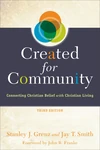
Christian Living
“A readable, practical, and thought-provoking presentation of the Christian faith. . . . The material is well laid out, with helpful previews and summaries, and each chapter includes a list of questions 'for connection and application.'. . . Grenz has done a remarkable job of covering the territory concisely and interestingly, and I hope that his book will be widely read and used.”
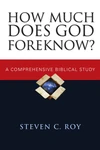
Theology
“The rise of open theism has generated a fruitful reconsideration of biblical teaching concerning God's foreknowledge, and Steven Roy contributes helpfully to the ongoing exegesis of pertinent texts. Without attempting to explain how God knows the future, Roy demonstrates that nothing about the future will take God by surprise, and he identifies key areas of our lives in which we can draw comfort from that fact. People who find open theism persuasive should welcome the opportunity to engage Roy's case for comprehensive divine foreknowledge. Others who have been troubled by the open theist proposal, whether they are Calvinists or Arminians, will be particularly grateful for this clearly written biblical study.”
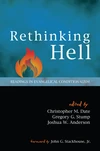
Theology
“Because the case for annihilationism is generally not well understood, this expertly chosen selection from often difficult to find writings, along with helpful introductory essays, will be immensely valuable to the church. Everyone, regardless of their current understanding, can welcome this historical and biblical resource that will make fruitful dialogue more possible than ever.”
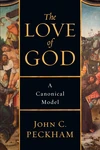
Theology
“Few beliefs about God are more distinctive of Christianity or more appreciated by Christians than the truth that 'God is love.' But not all Christians understand this statement in the same way. John Peckham focuses on God's love in the context of God's relationship with the world, and he describes clearly and carefully the different conceptions of God's love that exist within the church. Though his main text is not difficult to read, the multitude of biblical references cited and the abundance and diversity of his references to the work of other scholars in his footnotes make this a highly valuable resource for further study. Peckham contributes very helpfully to our understanding of God's love through his presentation of the big picture he has constructed from careful theological interpretation of the Bible, viewed as a whole. His foreconditional-reciprocal model of divine love offers a mediating position between the transcendent-voluntarist model of classical theism and the immanent-experientialist model of process panentheism. This is a model in which God's love is volitional, evaluative, emotional, foreconditional and ideally reciprocal. Although I have arrived at a more monergistic model than Peckham has, I benefited from both his exegetical work and his reverent elucidation of how God loves and relates to the world. His book not only stimulated me intellectually; it often prompted me to worship. I commend it heartily to those who want to grow in their love of God through contemplating anew, and more deeply, what God has told us about his loving self in his inspired Word and demonstrated to us in his deeds supremely in Christ.”
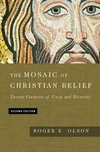
The Mosaic of Christian Belief
Theology
“Roger Olson expertly describes the core theological beliefs about which the Christian church has achieved wide agreement across its denominational divisions. On each of the major topics of Christian belief, he identifies proposals that fall outside the scope of that orthodox consensus and the main differences that exist between theologians who work within the Great Tradition. He then proposes a way forward, to overcome the tensions between these diverse positions and to broaden the area of consensus. Since Calvinists have been more active than Arminians in the writing of theological handbooks, and since many of the Arminians writing theology have not been evangelical, Olson's intentionally evangelical Arminian perspective makes a particularly helpful contribution. The book is written in language that should be accessible to undergraduate students and seriously minded church members and will, hopefully, help to stem the tide of theological ignorance that threatens the health of the church.”
NOTE: Only includes books currently in our catalog; not necessarily a complete list.
Theology
Theology
See something wrong on this page? Report a problem