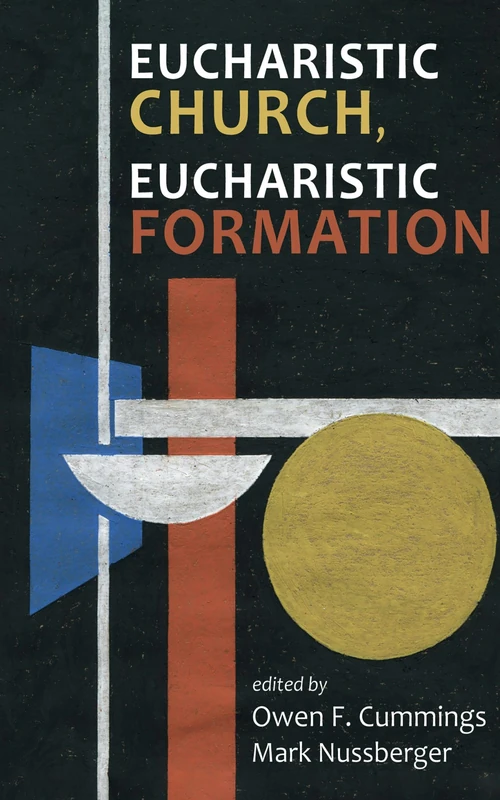
Eucharistic Church, Eucharistic Formation
- Discipleship & Christian Education
- Theology
- Publisher: Pickwick Publications (Wipf and Stock)
- Published: 2023
FritzSearch.com earns a commission on purchases made through Bookshop.org links.
Publisher's Description
Theological colleges preparing ministerial candidates for ordination are constantly engaged in revising their curricula. In the American Catholic Church at this time (in 2022), this process is guided by the US bishops' document the Program of Priestly Formation. Mount Angel Seminary believes that its theological curriculum centered on the Eucharist and known as communion ecclesiology offers an integrated approach to priestly formation in all four dimensions of that document: academic, personal, spiritual, and pastoral. The various essays in this book both illustrate how this is done and offer an example to other institutions involved in priestly formation.
Endorsements (7)
“I was happily surprised to learn of Mount Angel Seminary’s theological curriculum based in communion/eucharistic ecclesiology. It already has in place what Pope Francis asks for in Desiderio desideravi (n. 37): ‘The plan of studies for the Liturgy in seminaries must take account of the extraordinary capacity that the actual celebration has in itself to offer an organic and unified vision of all theological knowledge.’ Mount Angel has set an example that deserves wider attention.”
“In his famous book, Models of the Church, the late Cardinal Avery Dulles gave Catholics multiple perspectives through which to view the church. Now we have another perspective, given to us by Owen F. Cummings and Mark Nussberger, editors of Eucharistic Church, Eucharistic Formation, and that is the perspective of ‘communion ecclesiology.’ The reader will find in these pages the pastoral theology of Pope Francis, a theology of encounter and journey.”
“This book provides a eucharistic vision and understanding of priestly identity and formation, of ministry specifically and of the Christian life in general. I commend this book not only to seminarians and priests for their formation and ongoing formation and to all who are interested in priestly formation and ministry in the church, but also to all who seek to live the communion that is our faith and life in the Lord Jesus Christ.”
“Each of these essays is a jewel that complements and supports the central jewel in the crown of Catholicism—the celebration of the Eucharist. All of these authors (monks and the lay faithful) are true disciples of St. Benedict and write from the heart and soul of the monastic charism as it serves the whole church. Each of the essays is a piece of a carefully crafted mosaic that when taken together can shape seminary (university, college) curriculum.”
“This volume is a precious result of and witness to an admirable initiative of Mount Angel Abbey and Seminary which deserves to be much more widely known and imitated. Mount Angel eagerly embraced the challenge of integrating its curriculum several decades ago, and, as this valuable collection of studies and reflections by teachers and formators directly involved shows, thoughtfully sustains that effort still today, to the great benefit not only of its students and faculty, but ultimately of the church itself.”
“Ever since the demise of the old Scholastic synthesis Catholic theological educators have struggled mightily to create an integrated curriculum for today’s candidates for ordination to the priesthood. With the inspiration and skillful guidance of Abbot Jeremy Driscoll, himself a distinguished sacramental theologian, and of theologian Owen Cummings, the faculty of Mount Angel Abbey’s school of theology have provided an admirable example of such an integration. Other theological faculties may well take their inspiration from what the Mount Angel faculty has achieved.”
“This fine book was thirty years in the making. It is the result of a persistent effort by a theology faculty to identify the root and center of their curriculum. Put the assignment to yourself: if you had four years to explain theology to a group of willing learners, how would you apportion yet unify their study? The faculty of Mount Angel Seminary found the best blueprint for integration to be ‘communion ecclesiology.’ Not for seminaries alone, this insight is relevant to any review of a theology curriculum.”
See something wrong on this page? Report a problem